
Why Interior Designers Still Matter in the Age of AI
Why the best designers aren't threatened by artificial intelligence — they're made more valuable by it.
Let's just say it: AI is changing the interior design industry. You can generate a gorgeous room rendering in thirty seconds. Mood boards that used to take hours now take minutes. Clients are showing up to first consultations with AI-generated concepts, Pinterest boards on steroids, and a lot of confidence that they've basically figured it out.
And honestly? That's fine. Because what AI is actually doing — whether it knows it or not — is drawing a very clear line between decorating inspiration and real design expertise. And that line is where designers live.
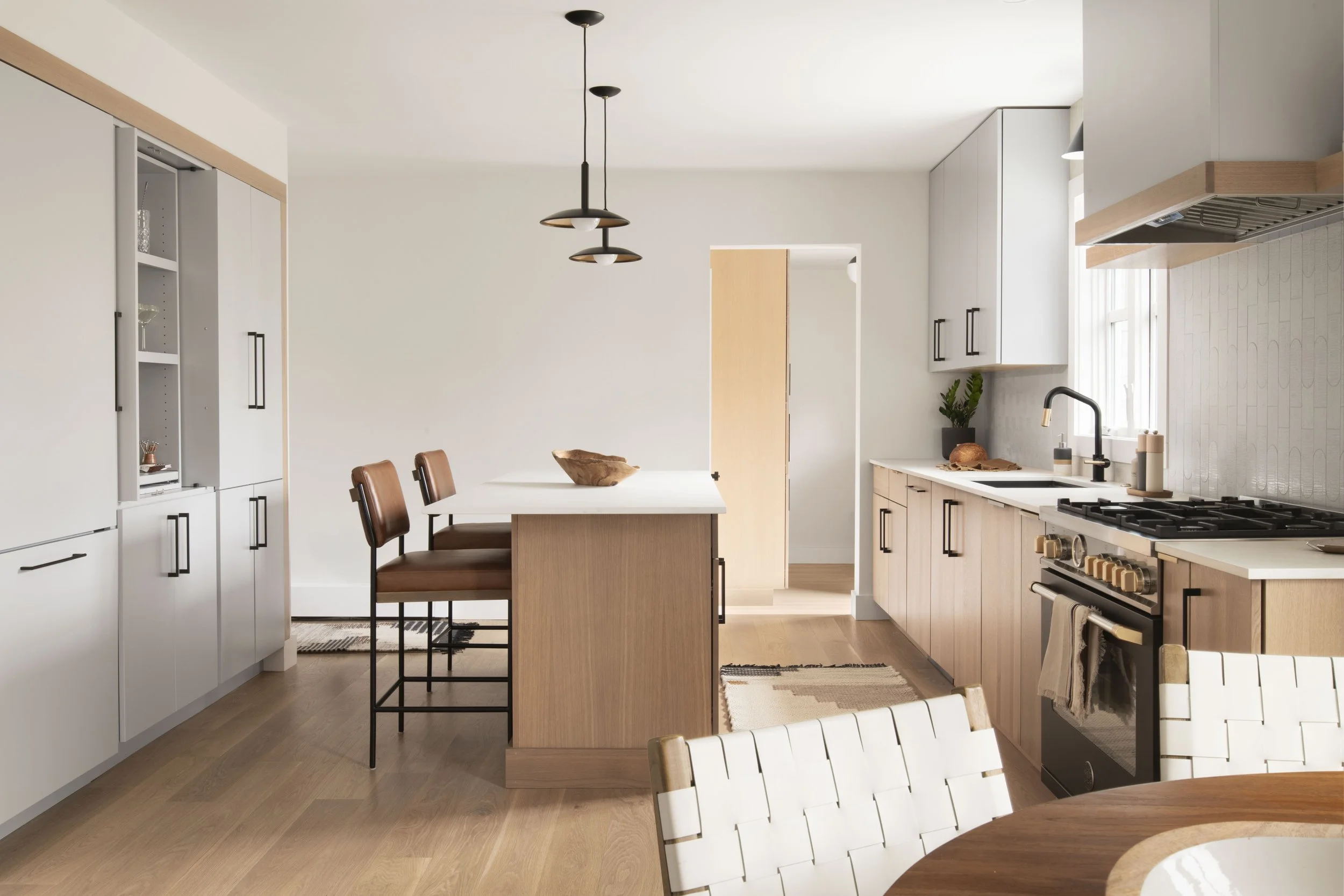
A Pretty Room Is Not a Designed Home
Anyone can generate a beautiful image right now. Far fewer people can create a home that truly functions, flows, gets built correctly, stays on budget, and feels deeply personal to the people living in it. Those are two very different things — and clients are starting to learn that the hard way.
The designers who are thriving right now aren't the ones panicking about AI. They're the ones who have stopped positioning themselves as "someone who picks pillows" and started showing up as what they actually are: a strategic creative partner. The distinction matters more than ever.
Taste Is Nothing Without Restraint
AI can generate endless ideas. What it cannot do is edit them.
Scroll through any AI-generated design concept and you'll notice something: everything is beautiful, and nothing coheres. There's no point of view. No through line. No sense that someone made a hard choice and stuck with it.
That's where a strong designer earns their fee — not in the generating, but in the curating. In the confidence to say this and not that. In the restraint that makes a space feel elevated rather than decorated. The value shifts from "here are fifty options" to "here is the right option for your home and your life." That kind of clarity is something clients genuinely cannot get from a prompt.
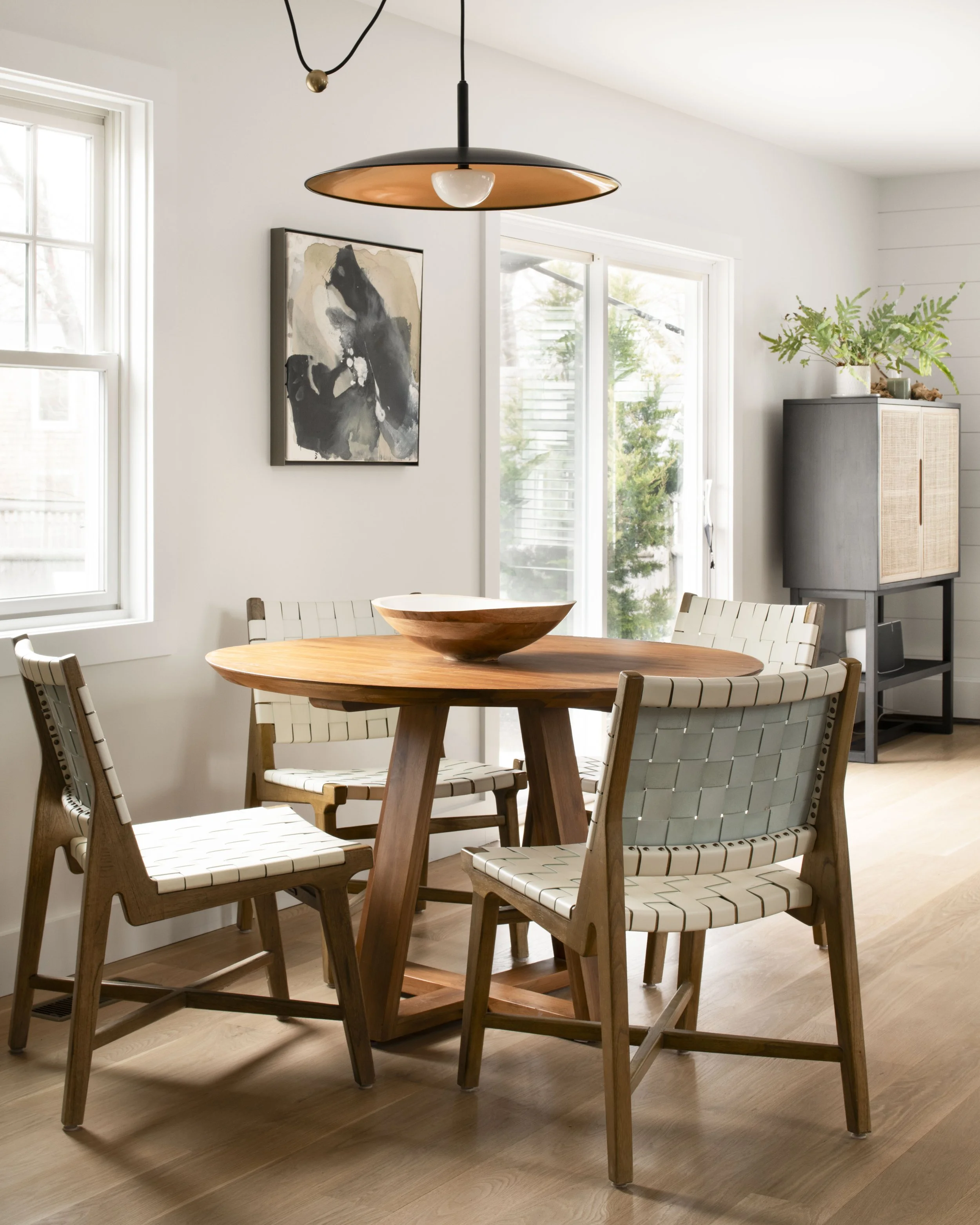


AI Doesn't Walk the Site
Here's what no rendering tool will ever catch: the way afternoon light blows out the west-facing wall in October. The ceiling transition that's going to look awkward if the cabinetry runs all the way through. The kitchen island that's four inches too tight for real traffic flow. The fact that this particular family has a dog that will destroy boucle in approximately one week.
Good design lives in nuance. It lives in the gap between what a floor plan shows and how a family actually moves through their home. That layer of human interpretation — the ability to read a space, read a client, and translate real life into real design — is genuinely hard to automate. It might be the hardest thing to automate.
The Complexity Nobody Talks About
People dramatically underestimate how much of a designer's value lives in project execution rather than aesthetic vision. On any given renovation, a designer is functioning simultaneously as a project manager, material coordinator, budget strategist, construction translator, and — let's be honest — part-time therapist.
AI can suggest a beautiful bathroom. It cannot coordinate the trades to build it. It cannot resolve a field condition when the plumber moves a drain two inches and suddenly the tile layout is ruined. It cannot catch a bad installation before it happens, manage a procurement delay without derailing a move-in date, or have the conversation with a contractor that needs to happen on a Tuesday morning when things are going sideways.
The more complex the project, the more valuable the designer becomes.
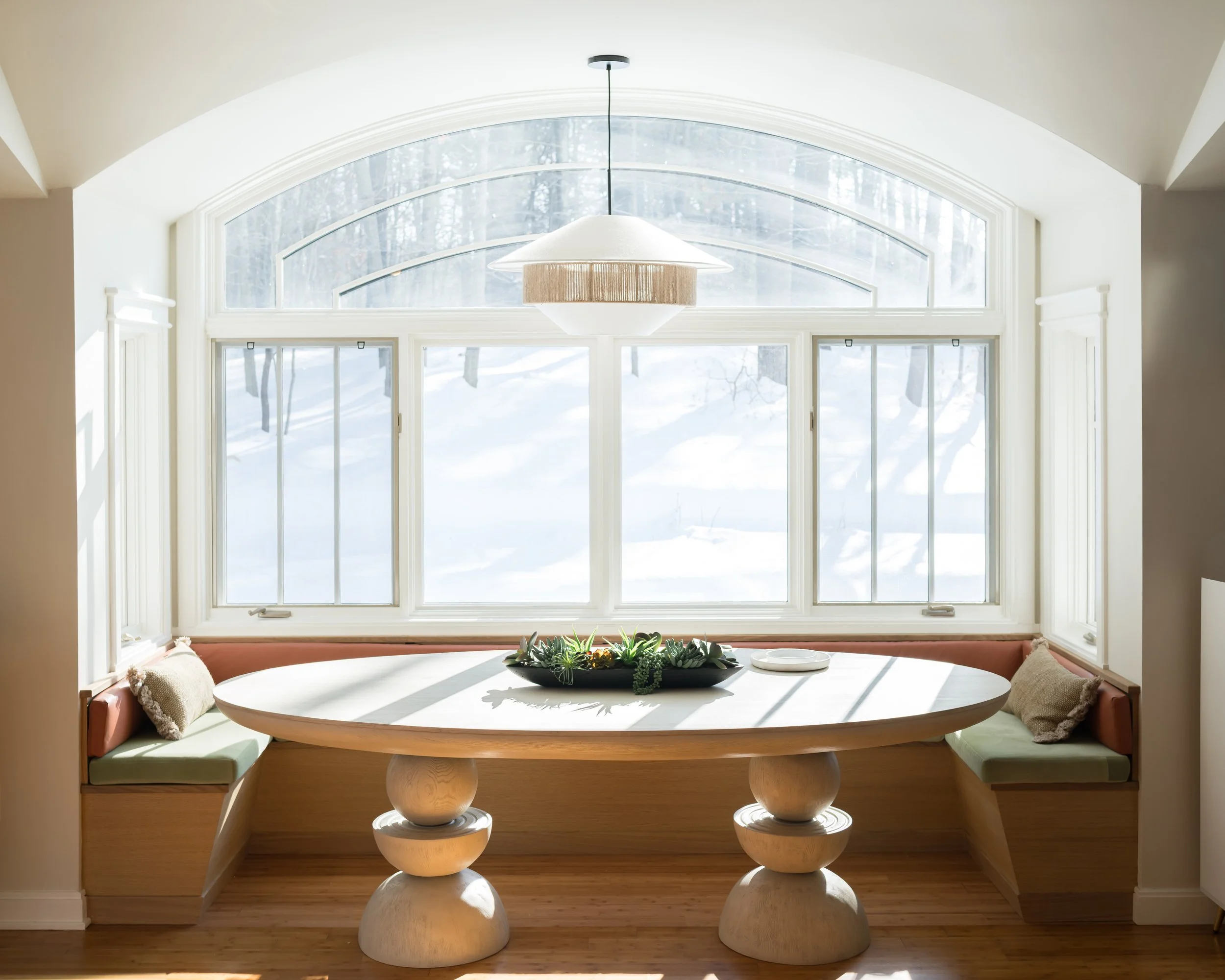
The Homes People Remember Have a Story
AI is extraordinarily good at producing Pinterest-perfect. It is not good at producing memorable.
The homes that stop people in their tracks — the ones that get shared, that clients cry at on reveal day, that feel genuinely unlike anything else — have tension. They have personality. They have collected moments and unexpected decisions and materials that mean something. They feel lived-in before anyone has lived in them.
That comes from relationship. From a designer who sat across from a client and actually listened. Who understood not just what they said they wanted, but what they meant. Who brought their own instinct and point of view to the table and wasn't afraid to use it. No prompt captures that. No rendering replicates it.
Experience Is a Moat
There's one more thing worth saying plainly: designers carry a body of knowledge that clients simply don't have access to anywhere else — and that AI cannot replicate from training data alone.
A client can generate a rendering in thirty seconds. They still won't know which fabric pills after one season, which stone etches the moment red wine touches it, which cabinet finish yellows in five years, or why the layout they fell in love with online is going to annoy them every single morning. They won't know what clearance code actually requires, which vendors deliver and which ones don't, or how to avoid the expensive mistake that seems obvious only after you've made it once.
Experience compounds. Relationships compound. Judgment compounds. That's not something you can prompt your way into.
The Bottom Line
AI isn't replacing interior designers. It's raising the bar for what design actually means — and making it easier than ever to see the difference between someone who can make something look good and someone who can make something work.
The designers who understand that? They're not threatened by any of this. They're just getting started.
Want more thoughts on design, process, and what actually goes into a well-designed home? Join our email list below!