
What Does a Design-Build Firm Actually Do? A Homeowner’s Guide to the Design-Build Process
Thinking about renovating your home but unsure where to start? Learn how a design-build firm streamlines the entire process—from initial ideas to final installation—by bringing design, construction, and project management together under one roof.
Renovating a home is exciting. It’s an opportunity to rethink how you live, create spaces that feel more functional, and finally bring all those ideas you've saved on Pinterest to life.
But before the first wall comes down or the first cabinet is ordered, there are a lot of decisions to make.
Who do you hire first?
A designer? An architect? A contractor?
Who helps you understand what's possible within your budget?
Who makes sure the vision translates into a home that actually works?
This is where a design-build firm comes in.
Unlike the traditional approach where homeowners manage separate designers, architects, contractors, and vendors, a design-build team brings the entire process together—creating one cohesive experience from concept through completion.
At Sage x Cashman, we believe the best homes happen when design and construction are considered together from the very beginning.
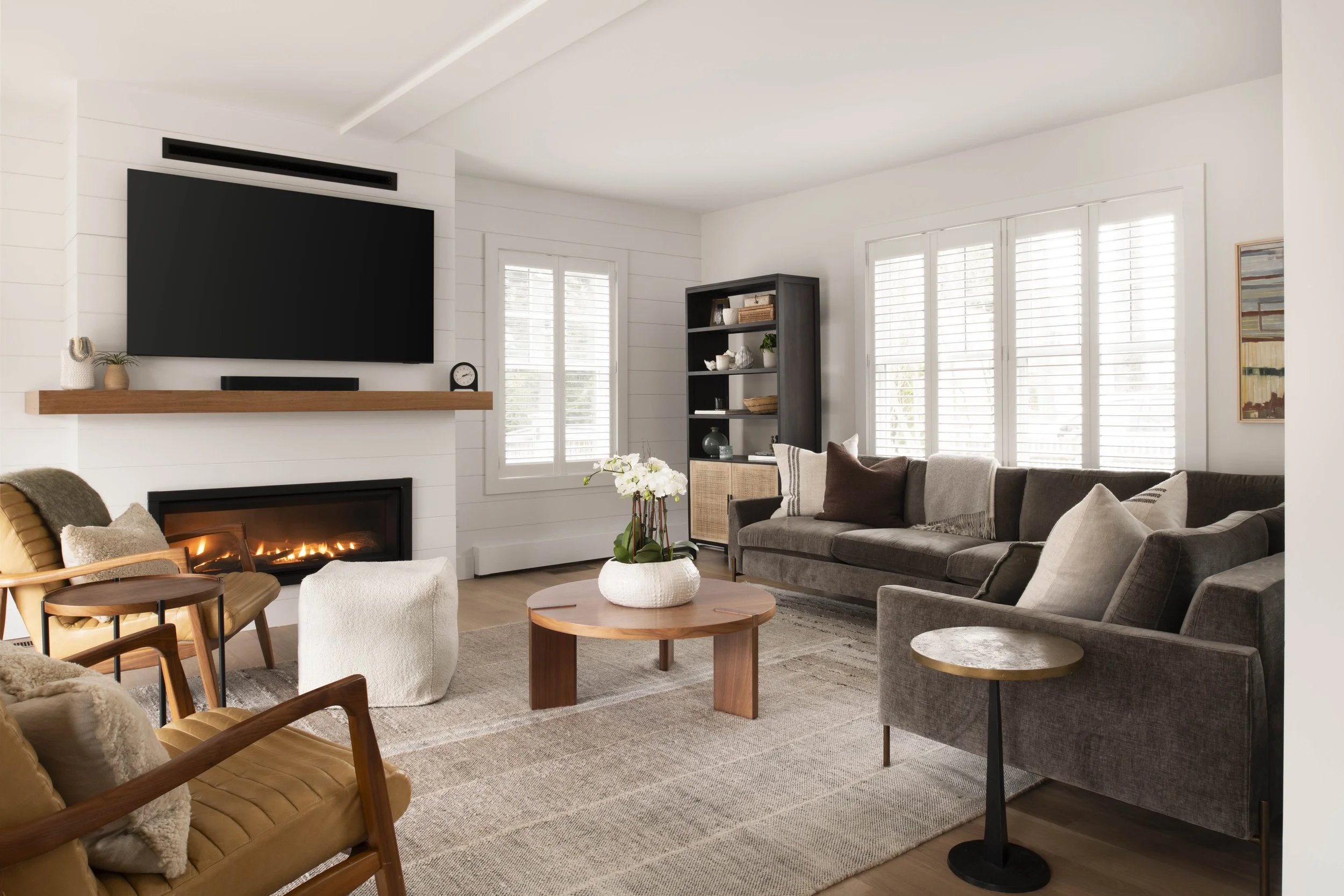
The Difference Between Traditional Remodeling and Design-Build
The Traditional Approach
In a traditional renovation, homeowners often coordinate multiple companies:
Hire a designer or architect
Develop plans
Find a contractor
Bid the project
Make revisions
Coordinate schedules
Manage communication between teams
While this approach can work, it often leaves homeowners acting as the middle person between different professionals.
The Design-Build Approach
With design-build, your team works together from the start.
Your designer understands construction.
Your builder understands the design intent.
Your budget informs decisions early.
Instead of different teams working separately, everyone is working toward the same goal: creating your dream home.
The Sage x Cashman Design-Build Process
Every home renovation is unique, but our process is designed to make the journey feel seamless, organized, and exciting. By bringing design and construction together under one team, we’re able to guide you from the first ideas through the final details.
1. Discovering Your Vision
Every great project starts with understanding how you live. We take the time to learn what’s working, what isn’t, and how you want your home to feel.
Together, we’ll define your goals, priorities, and the overall vision for your space.
2. Designing With Purpose
This is where ideas begin to take shape. Through thoughtful space planning, material selections, and detailed design concepts, we create a cohesive plan that balances beauty, functionality, and the way you live.
From cabinetry and finishes to lighting and architectural details, every choice is carefully considered.
3. Planning for a Successful Build
Because design and construction happen together, we’re able to evaluate your project with both creativity and practicality in mind.
We work through scope, budget, materials, and construction details early—helping create a smoother process and minimizing surprises along the way.
4. Bringing It to Life
Once construction begins, our team manages the details and coordinates the moving pieces behind the scenes. From skilled trades and installations to final finishes, we ensure the original vision carries through every stage of the build.
5. The Final Details
The best homes are created in the details. Once construction is complete, we focus on the finishing touches that make your home feel personal, functional, and truly yours.
The result is a space designed not just to look beautiful, but to support the way you live every day.
Your home is one of the biggest investments you’ll make. The process of creating it should feel just as thoughtful as the final result.
One team. One vision. A more seamless way to create your home.
Ready to start dreaming about your next project? Contact us to begin the conversation.