
The Little Things That Make a Home Feel Finished
There’s a moment in every project where everything is technically “done.” The floors are in, the walls are painted, the furniture is placed.
And yet—it still doesn’t feel finished.
That final layer, the one that takes a space from complete to considered, comes down to the details. The subtle choices that don’t always stand out on their own, but together make a home feel intentional, lived-in, and elevated.
After years of designing and building homes, these are the elements we find make the biggest difference.
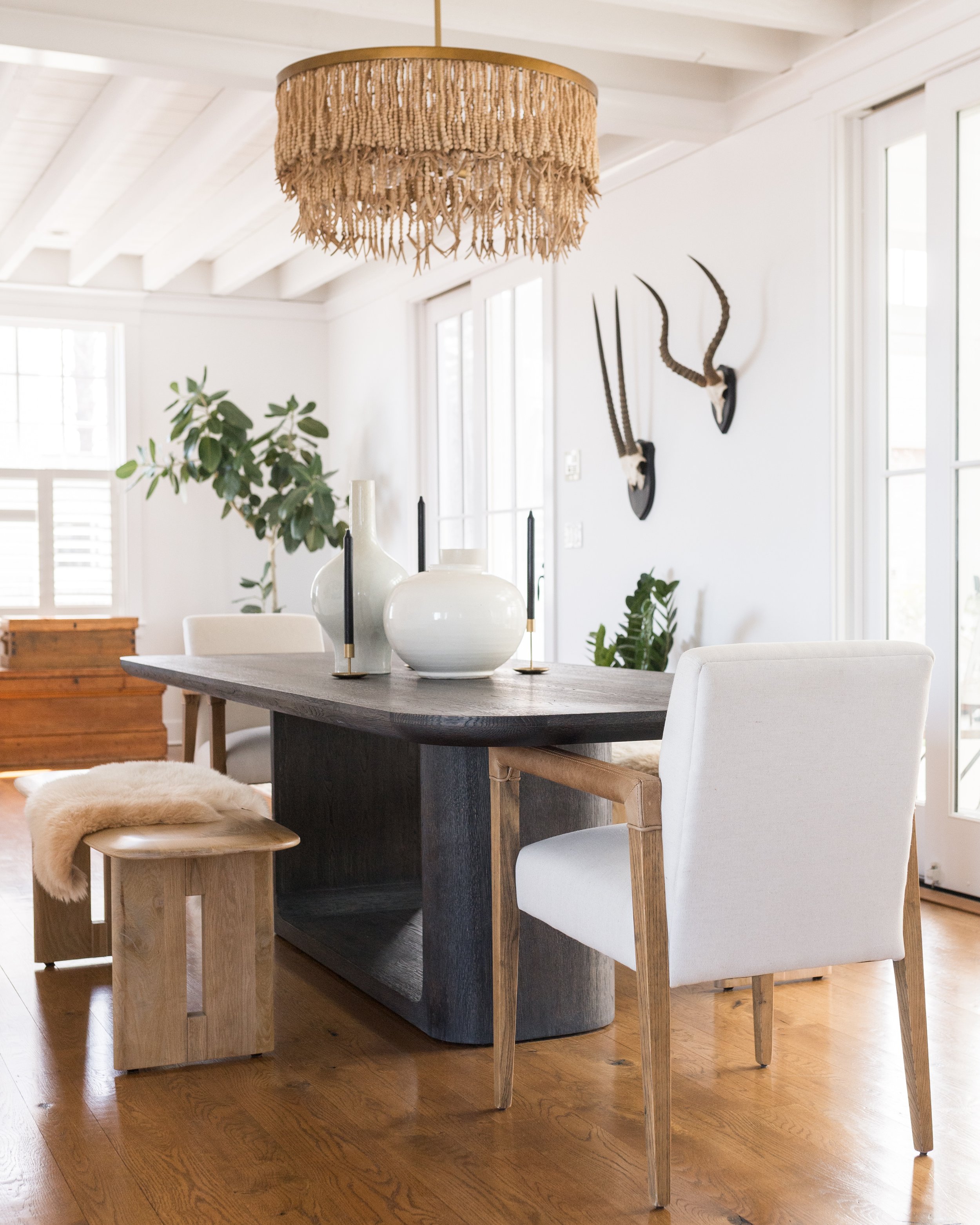
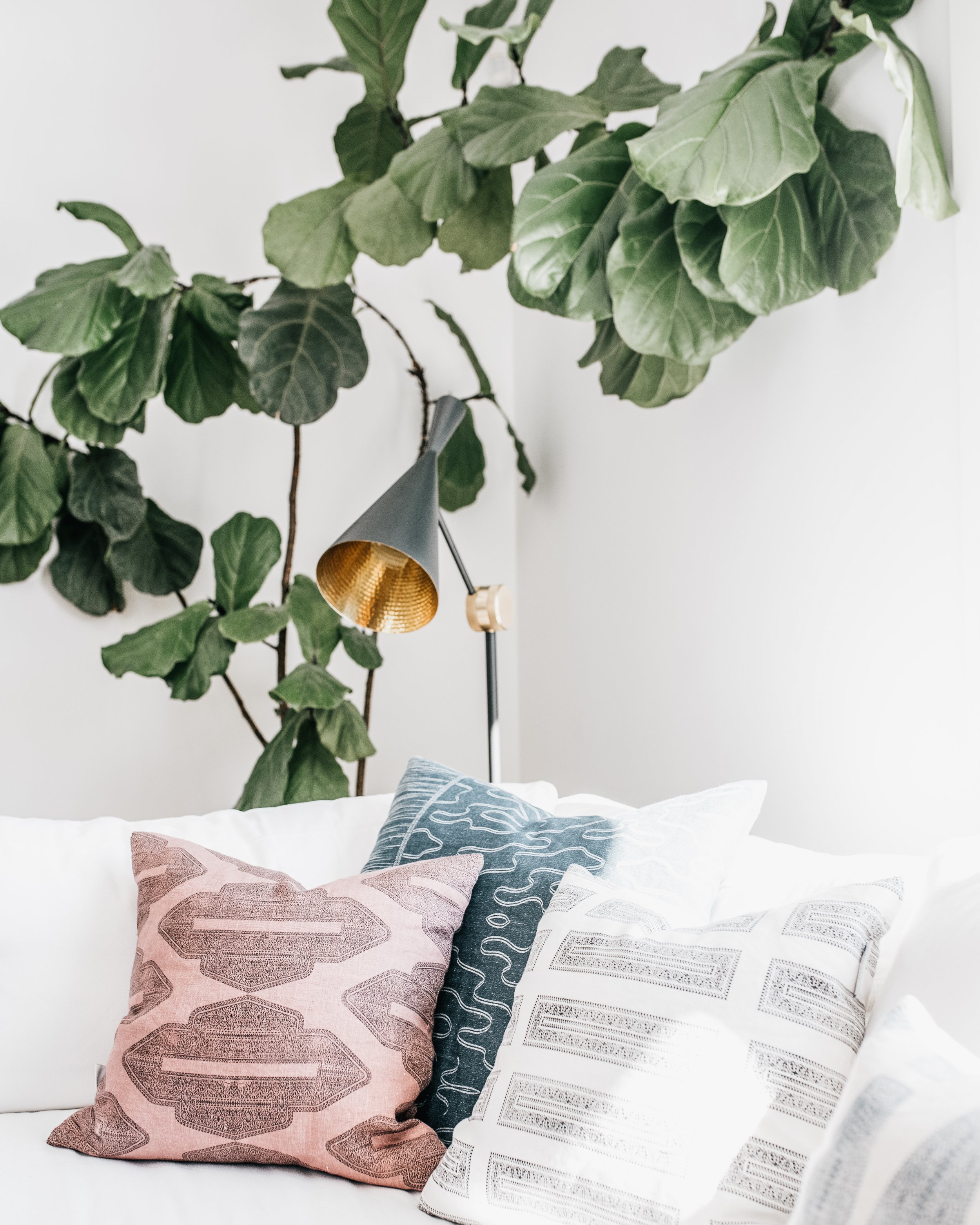
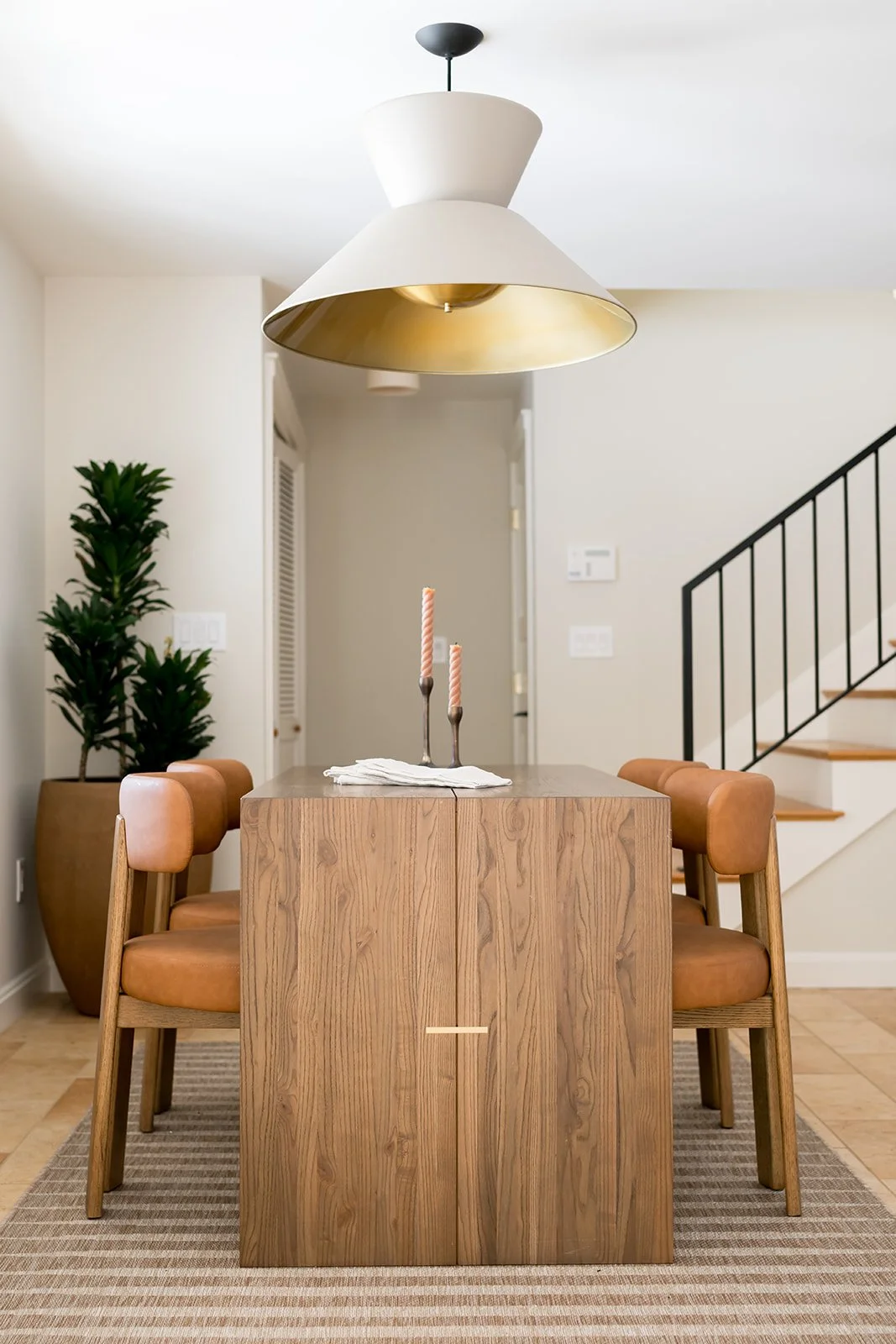
Lighting That Feels Layered (Not Flat)
Lighting is one of the most overlooked elements—and one of the most impactful.
A single overhead fixture rarely does a space justice. The most inviting rooms use layers:
Ambient lighting (overhead)
Task lighting (reading lamps, under-cabinet)
Accent lighting (sconces, picture lights)
This creates warmth, depth, and flexibility throughout the day.
The shift: Instead of relying on one source, think in layers. It’s what gives a space that soft, finished glow.
Hardware That Actually Adds Something
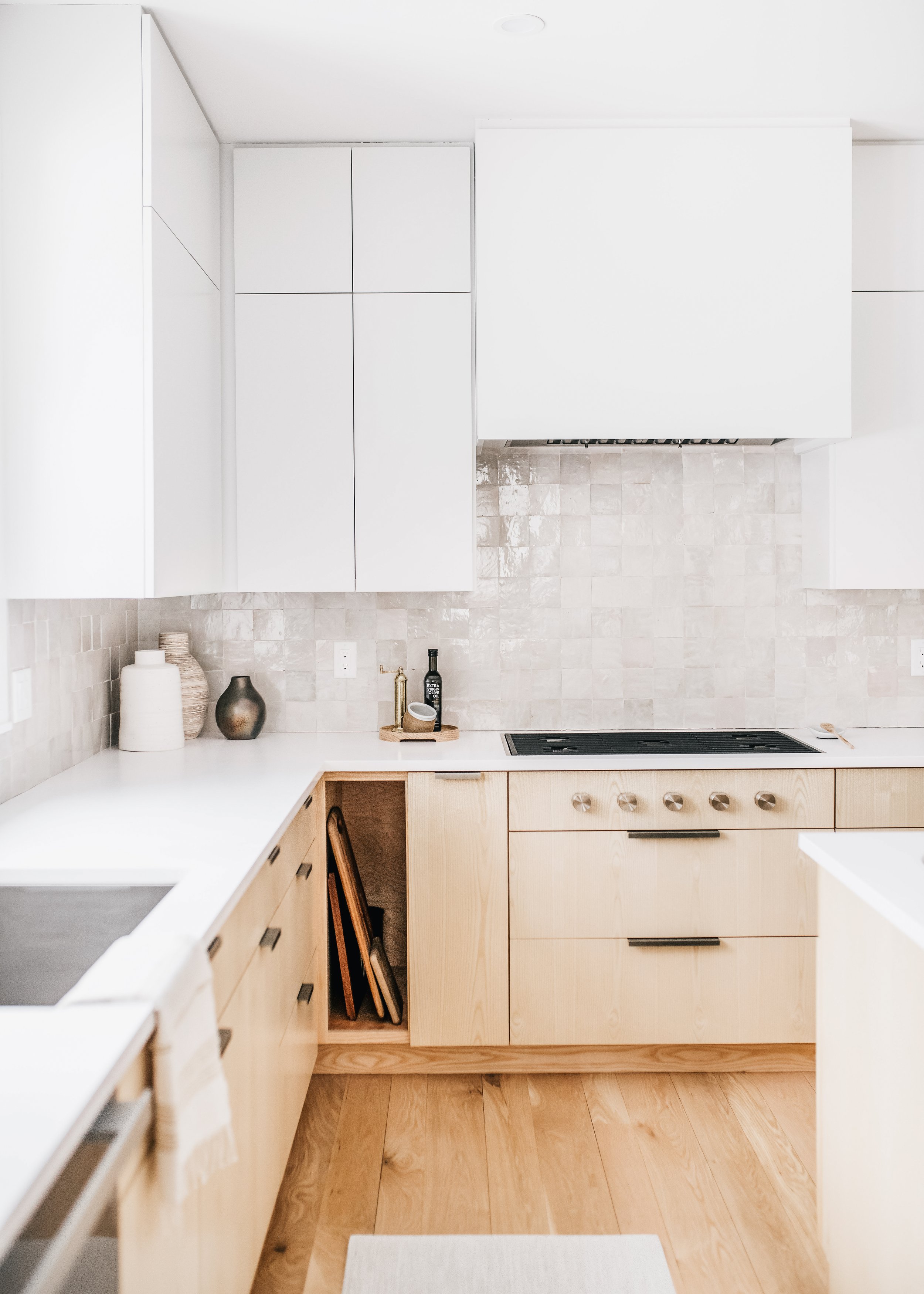
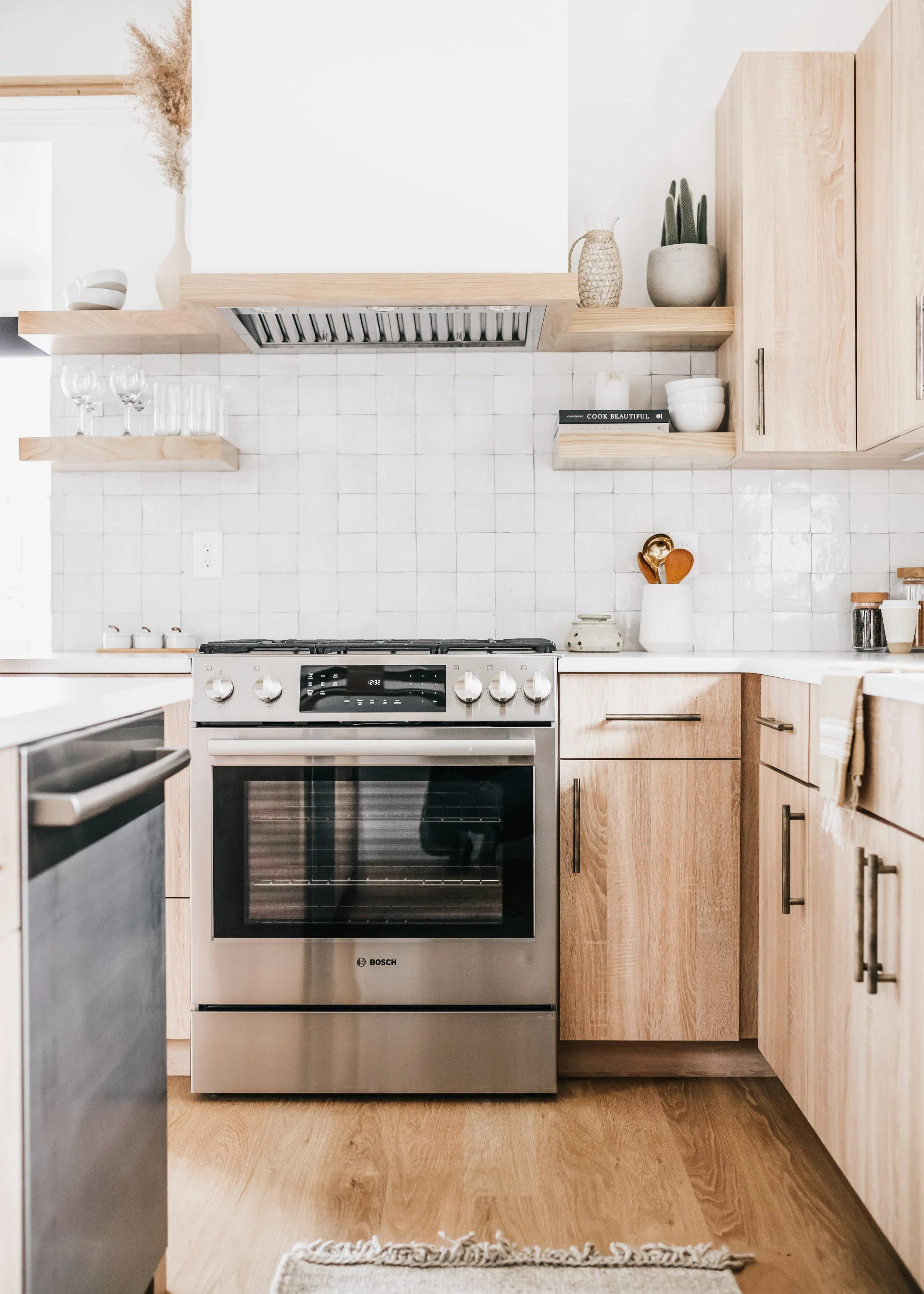
Hardware is often treated as an afterthought—but it shouldn’t be.
Cabinet pulls, knobs, and even door hardware can subtly elevate a space when chosen intentionally. The weight, finish, and scale all matter.
What works:
Consistency across finishes (without being overly matchy)
Quality materials that age well
Proportions that feel right for the cabinetry
The shift: Treat hardware like jewelry—it should complement the space, not compete with it.
Texture, Texture, Texture
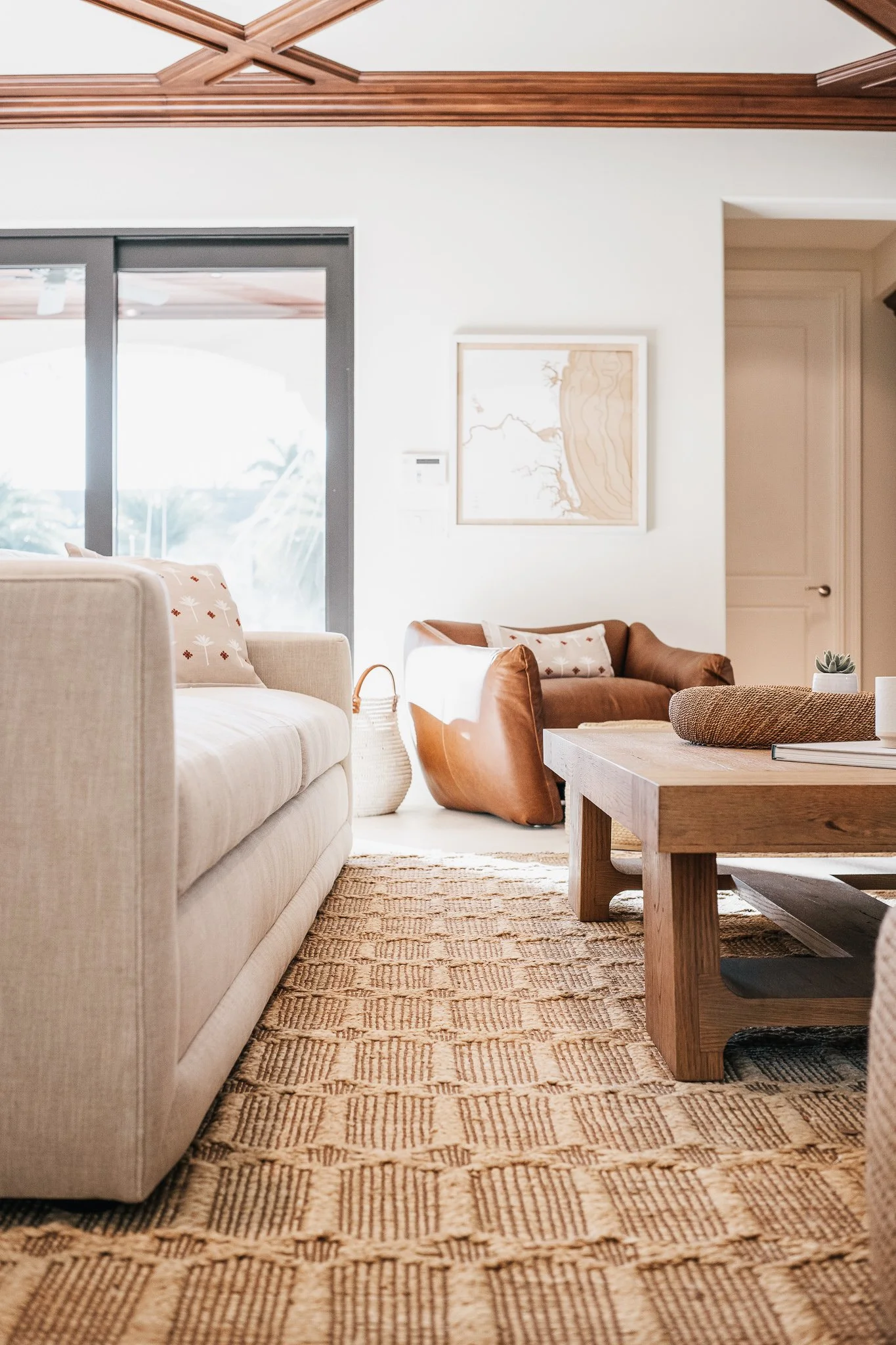
The difference between a flat space and one that feels layered often comes down to texture.
Think:
Linen drapery
Woven rugs
Natural wood tones
Ceramics, plaster, or stone
Even in a neutral palette, variation in texture adds depth and visual interest.
The shift: If everything is smooth and uniform, the space will fall flat. Mix materials to create dimension.
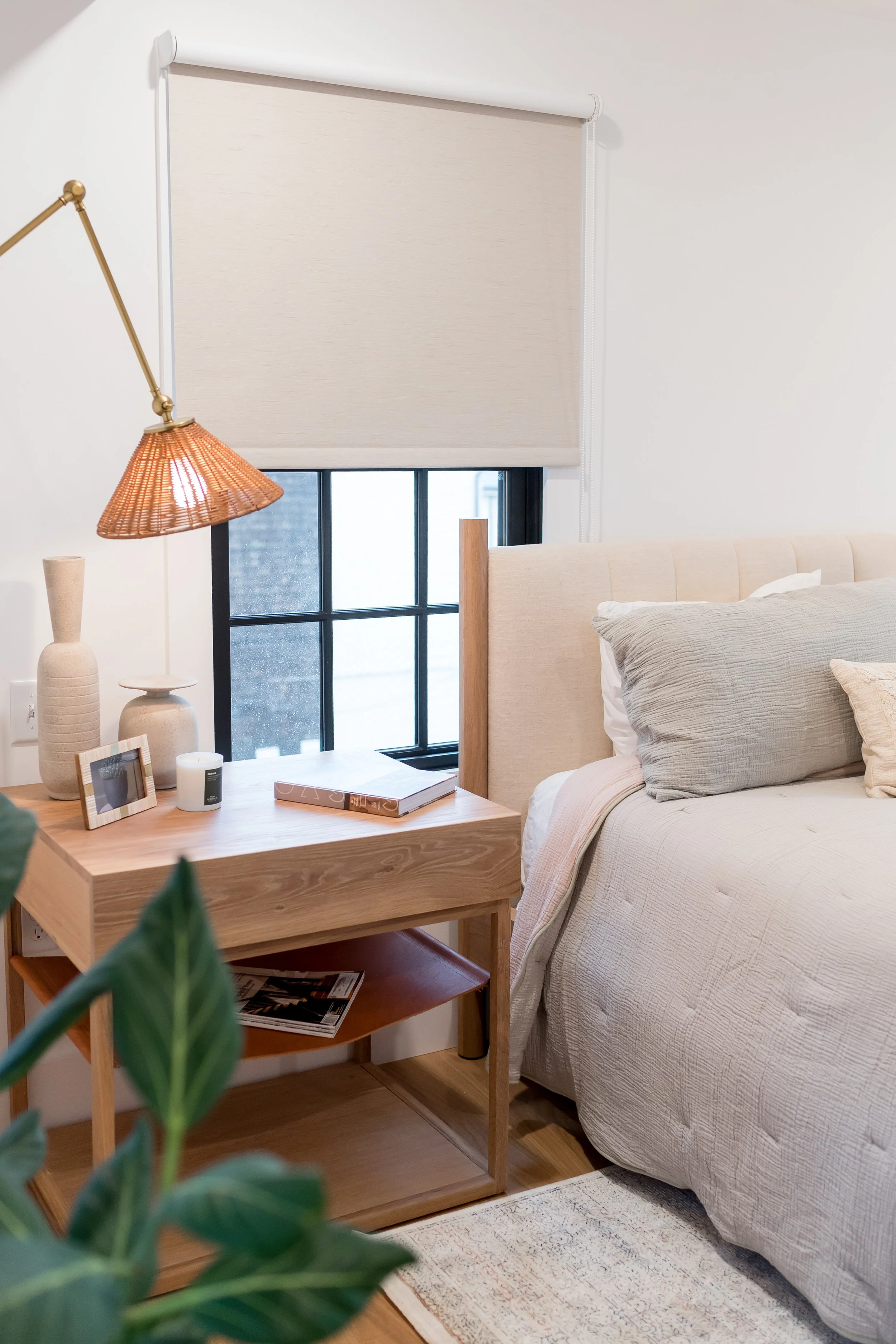
Styling That Feels Effortless (But Isn’t)
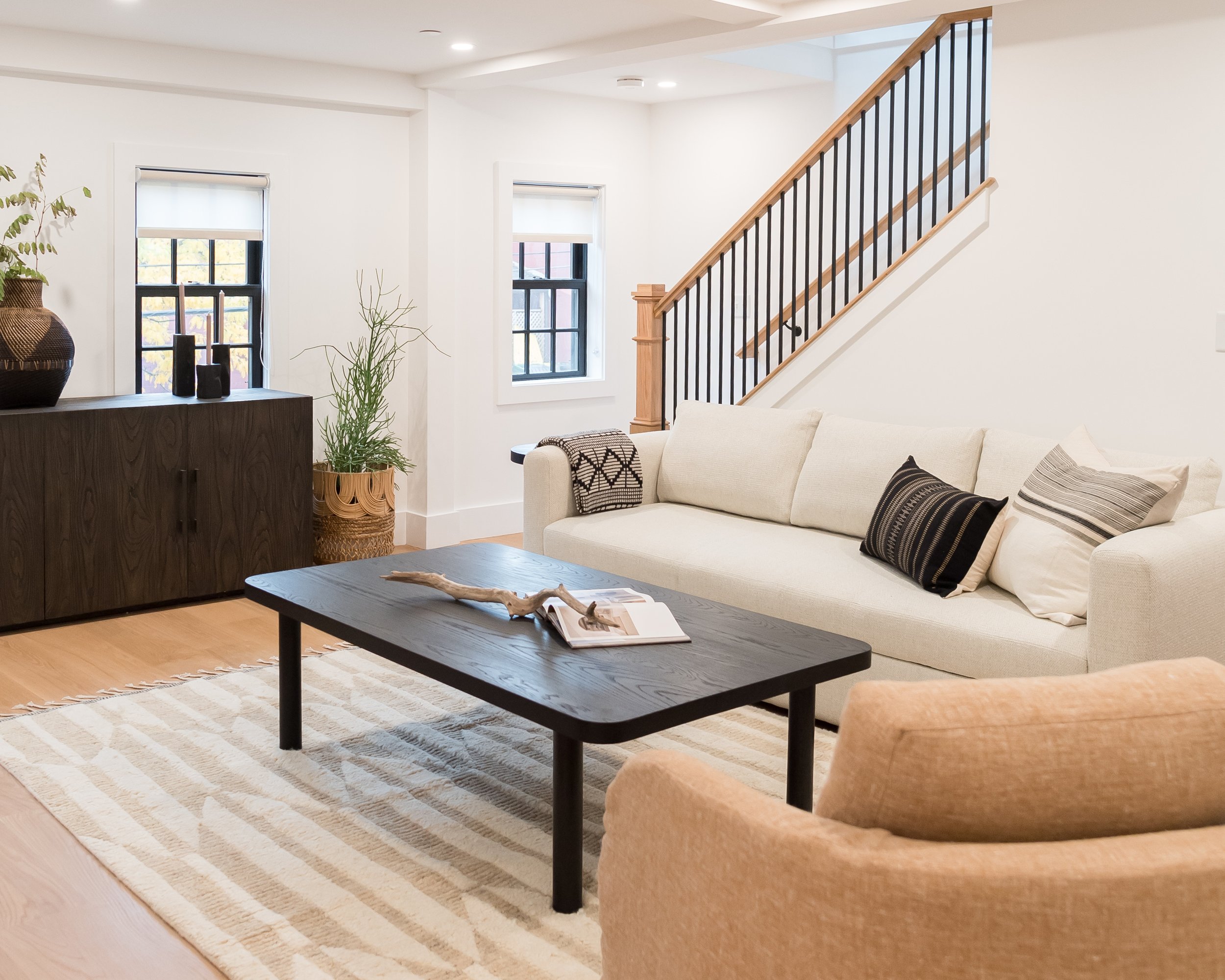
The final 10% of a space is often styling—and it’s what makes everything feel pulled together.
This doesn’t mean filling every surface. It means being intentional:
A stack of books that feels natural
A bowl or object that adds shape
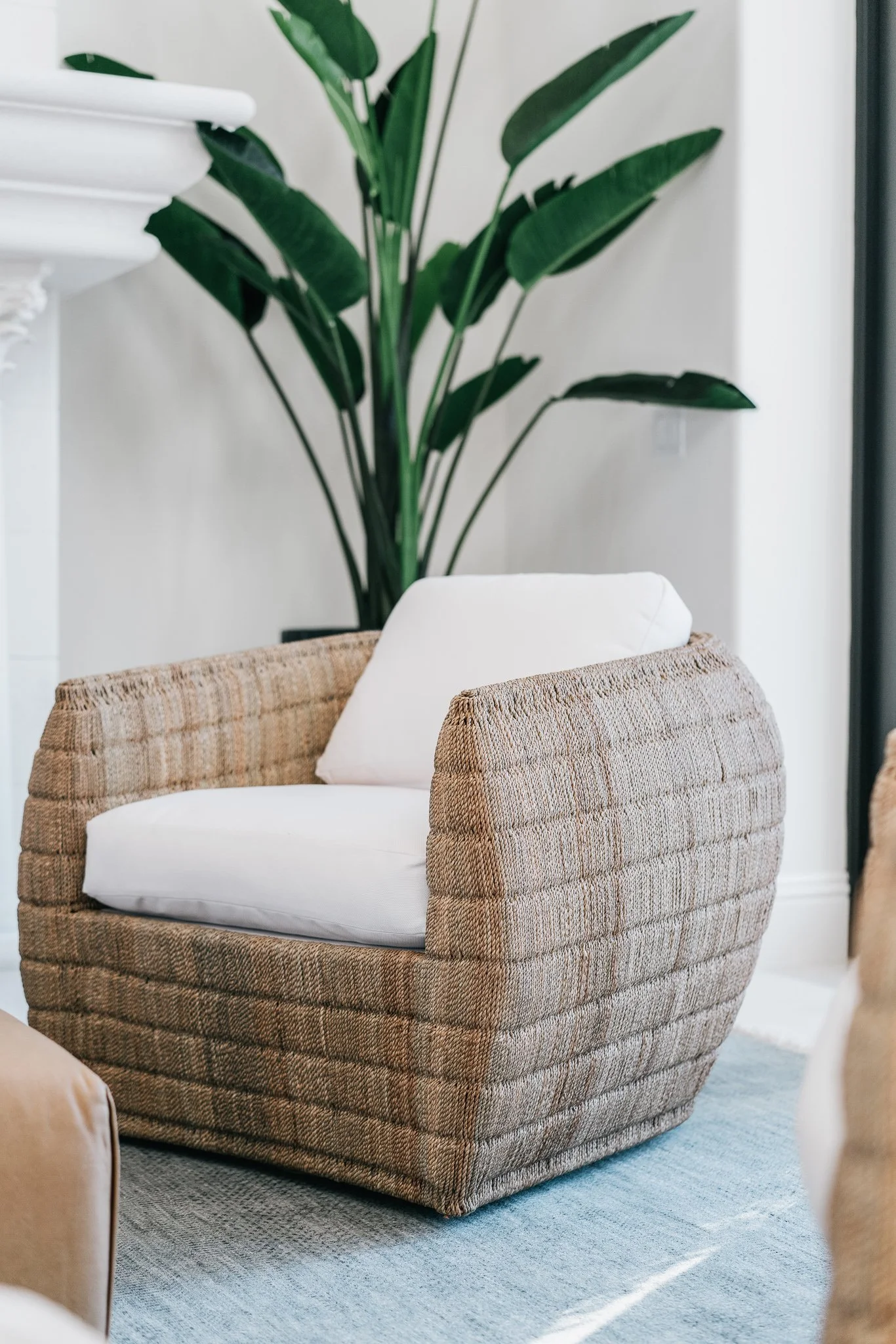
Greenery or branches to bring life into the room
The shift: Edit more than you add. Negative space is just as important as the objects themselves.
Cohesion From Room to Room
A home feels finished when it flows.
This doesn’t mean every room looks the same—but there should be a thread that connects them:
Repeating tones or materials
Consistent flooring or trim details
A similar level of formality throughout
The shift: Think about the home as a whole, not just individual rooms.
The Details You Don’t Always Notice
Some of the most important elements are the ones you don’t immediately see:
Clean, intentional trim work
Well-placed outlets and switches
Proper scale in furniture layouts
These are the quiet details that make a home feel considered.
Quick Takeaways: How to Make a Home Feel Finished
Layer your lighting (ambient, task, accent)
Choose hardware intentionally—it should elevate, not blend in
Mix textures to create depth, even in neutral spaces
Style with restraint—edit more than you add
Create cohesion across rooms for a whole-home feel
Thinking About Your Own Space?
If you’re in the process of designing or renovating and want help bringing those final layers together, we’d love to help.