
We’ve never been ones to blindly follow trends. At the heart of every project we take on is the belief that good design should transcend what’s “in” or “out” and instead create spaces that feel timeless, thoughtful, and deeply personal to the people who live there.
That said, we’re always paying attention. And as we look ahead to 2026, we find ourselves genuinely intrigued by where the design world is headed.
Next year’s focus feels less about aesthetics for aesthetics’ sake and more about intention—how homes are built, furnished, and lived in. Sustainability, craftsmanship, and natural materials are taking center stage, and these are all values we firmly stand behind.
Here are the design movements shaping 2026 that feel aligned with creating homes meant to last.
1. Design with Intention
The overarching theme of 2026 is thoughtful design. Every choice—from layout to finishes—is being considered more carefully, with an emphasis on longevity and purpose rather than instant gratification.
This means fewer impulse decisions and more meaningful ones. Spaces are being designed to support daily rituals, evolving lifestyles, and a sense of calm. It’s a slower, more considered approach—and one we wholeheartedly embrace.
2. Sustainability as a Standard, Not a Trend
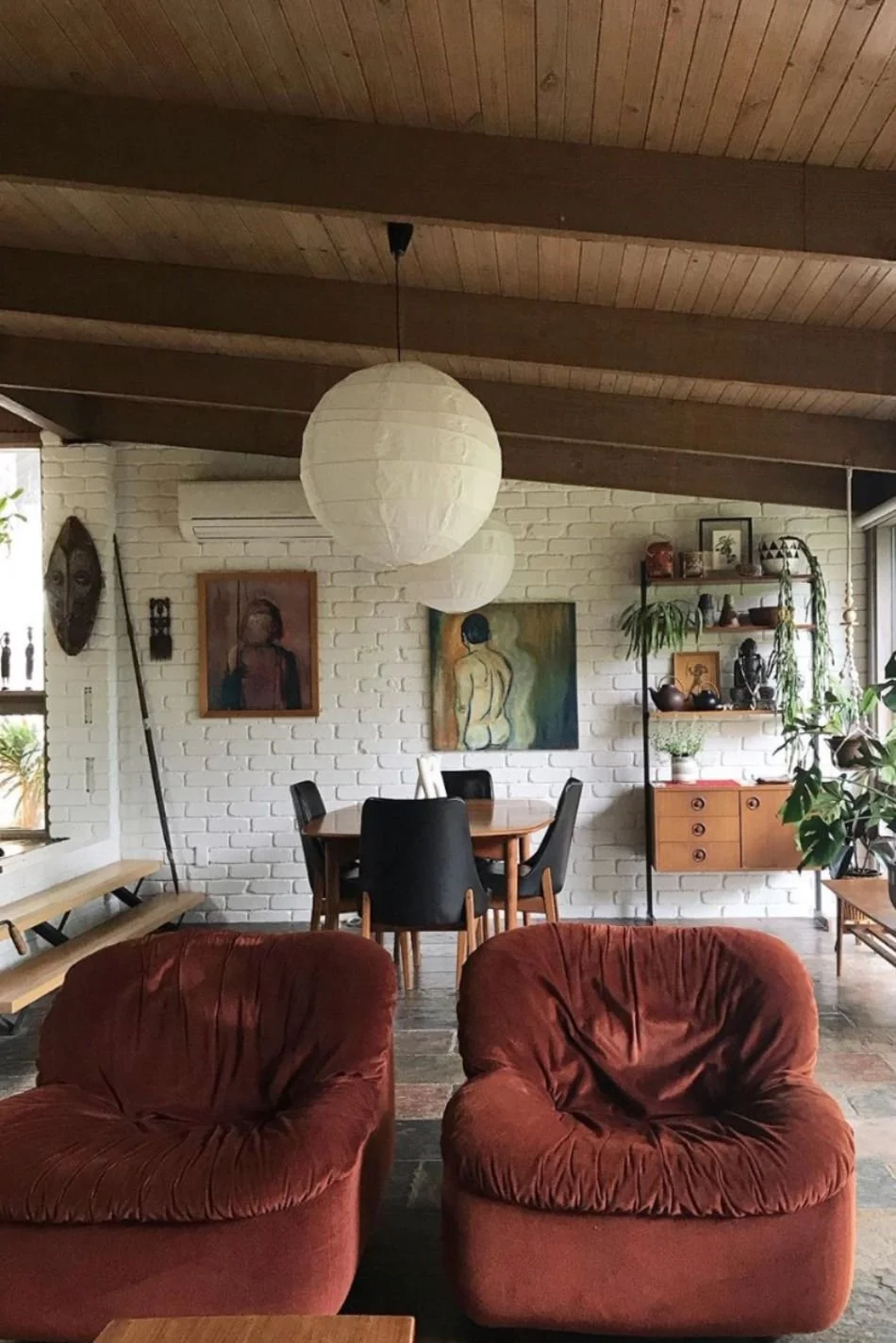
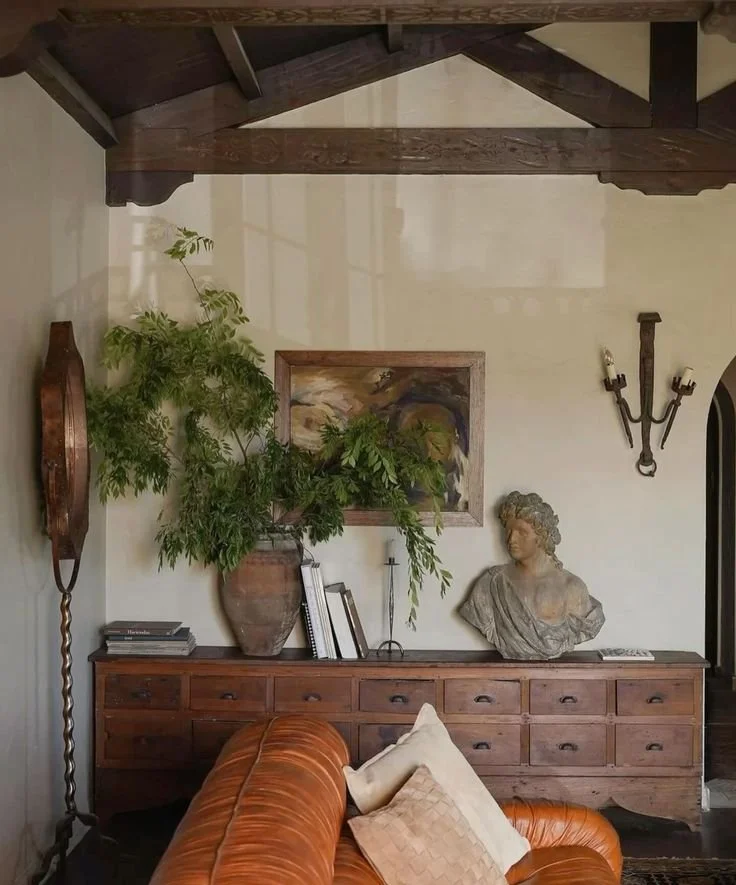
Sustainable design is no longer a niche conversation—it’s becoming the expectation. In 2026, we’re seeing a shift toward materials and practices that are responsibly sourced, durable, and made to stand the test of time. We have been seeing people gravitate toward vintage and thrifted furniture and decor for a while now (which is awesome) but we’re taking it one step further in 2026.
Think reclaimed woods, natural stone, low-VOC finishes, and quality craftsmanship that reduces the need for replacement. Sustainability isn’t about sacrifice; it’s about making better, smarter choices that feel good now and for years to come.
3. Natural Materials Take the Lead
There’s a renewed appreciation for materials in their most honest form. Wood with visible grain, stone with variation, linen that wrinkles just enough—these elements bring warmth and authenticity to a space.
Natural materials ground interiors and connect homes to their surroundings, whether coastal, rural, or urban. They age beautifully, developing character over time rather than wearing out.
4. Artisanal & Handcrafted Elements
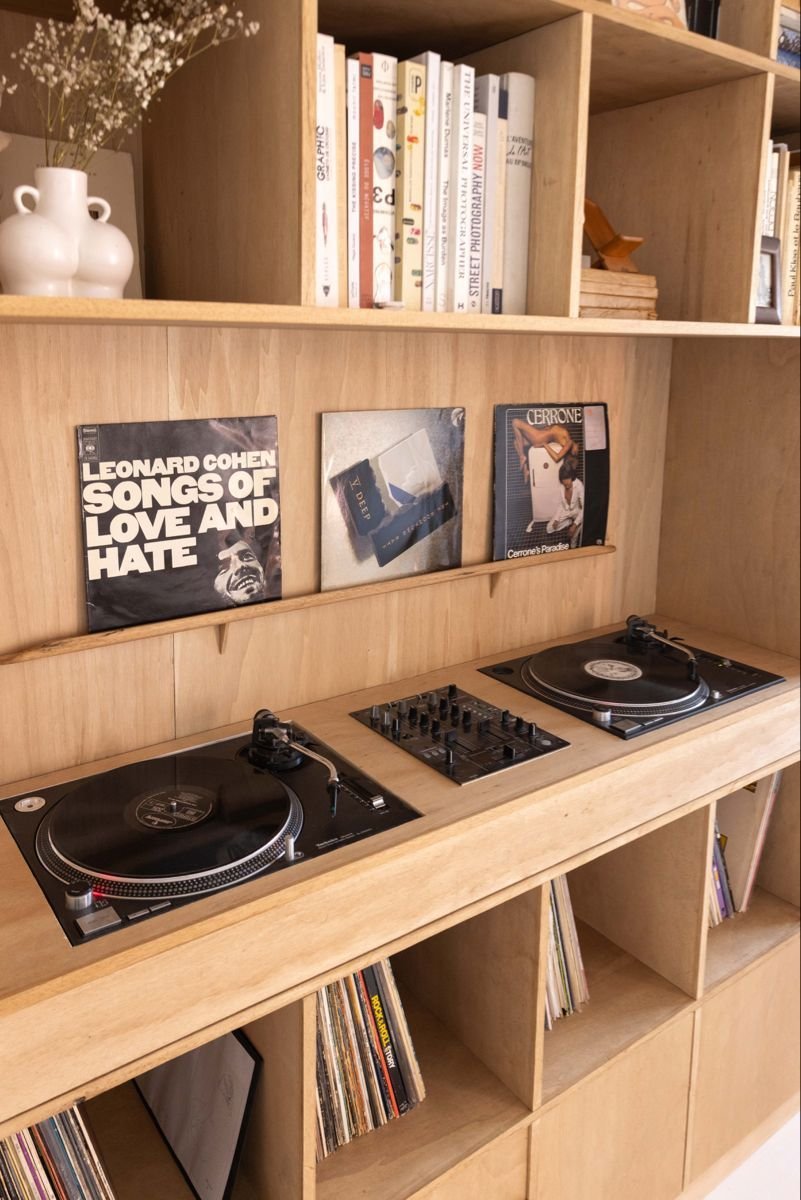
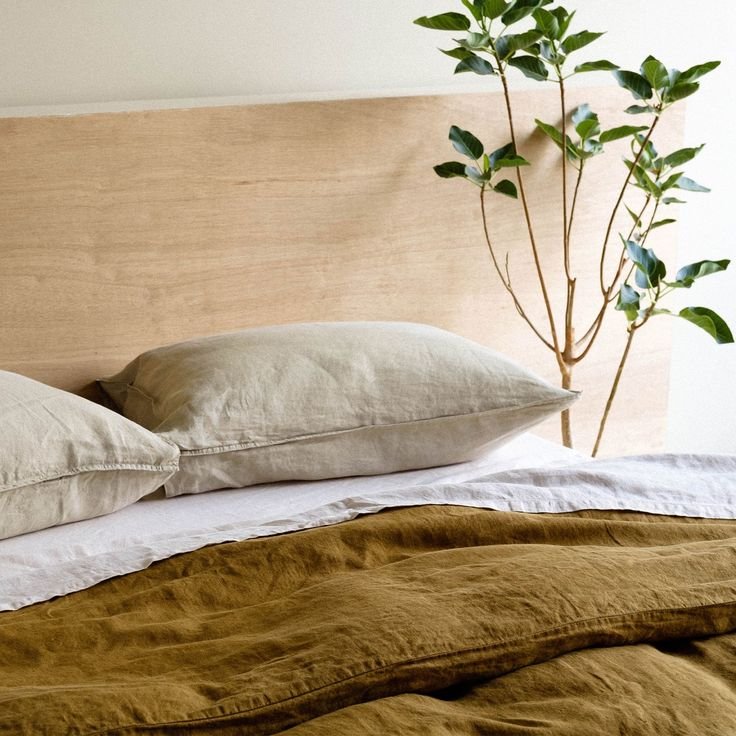
Handcrafted objects continue to gain importance as homeowners seek spaces that feel personal and layered. Artisanal lighting, hand-thrown ceramics, woven textiles, and custom millwork add depth and soul that mass-produced pieces simply can’t replicate.
These elements tell a story. They slow a space down and invite you to notice the details—something that feels especially meaningful as homes become more of a sanctuary.
5. Expressive Maximalism
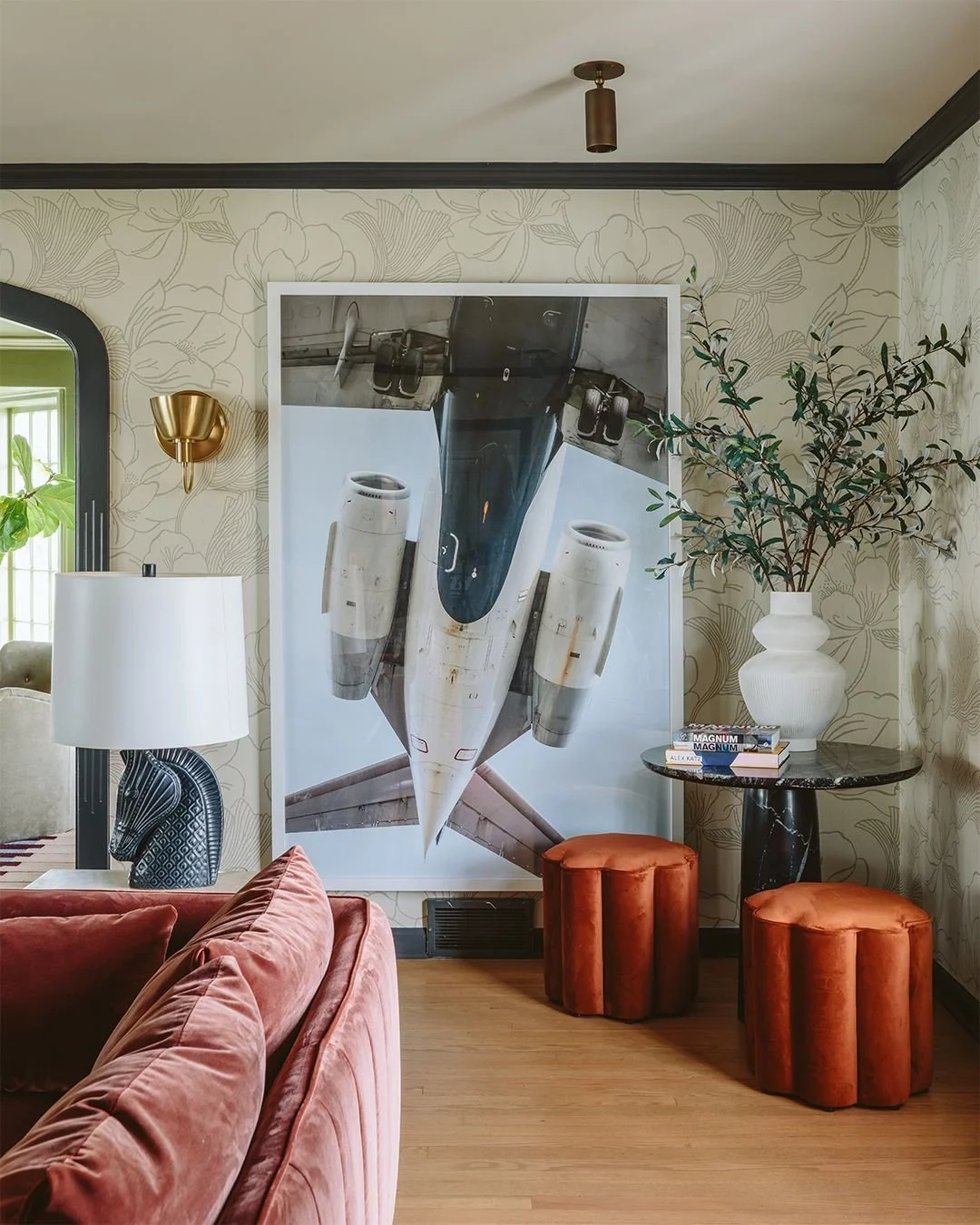
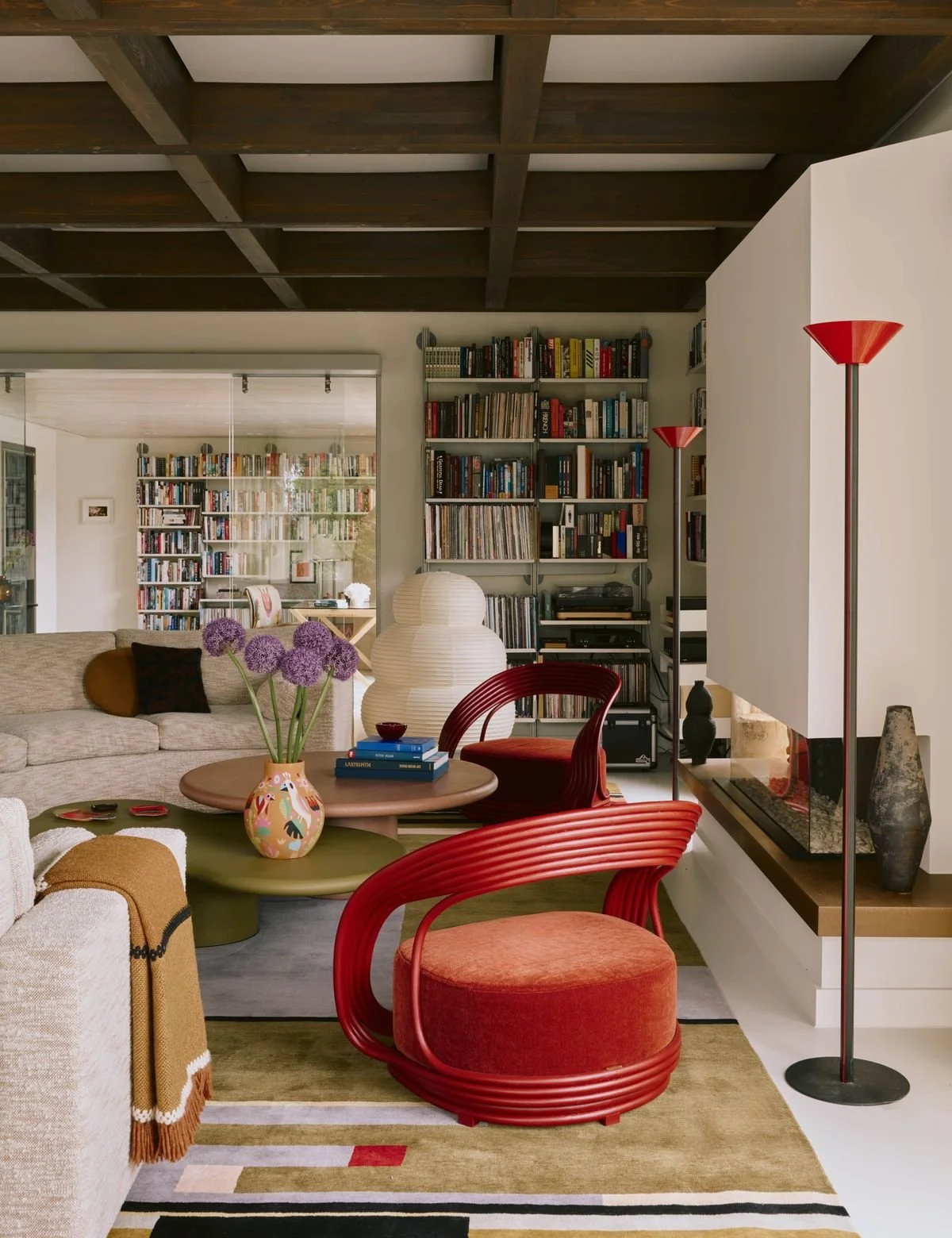
Minimalism is making room for a more expressive approach. Maximalism in 2026 is confident, curated, and deeply personal—a celebration of color, pattern, and individuality.
This isn’t about excess for excess’ sake. Instead, it’s a collected-over-time aesthetic defined by bold hues, large-scale patterns, and layered textures. When done well, expressive maximalism feels intentional and artful, allowing personal taste and storytelling to take center stage.
6. Elevated Neutrals & Earth-Inspired Palettes
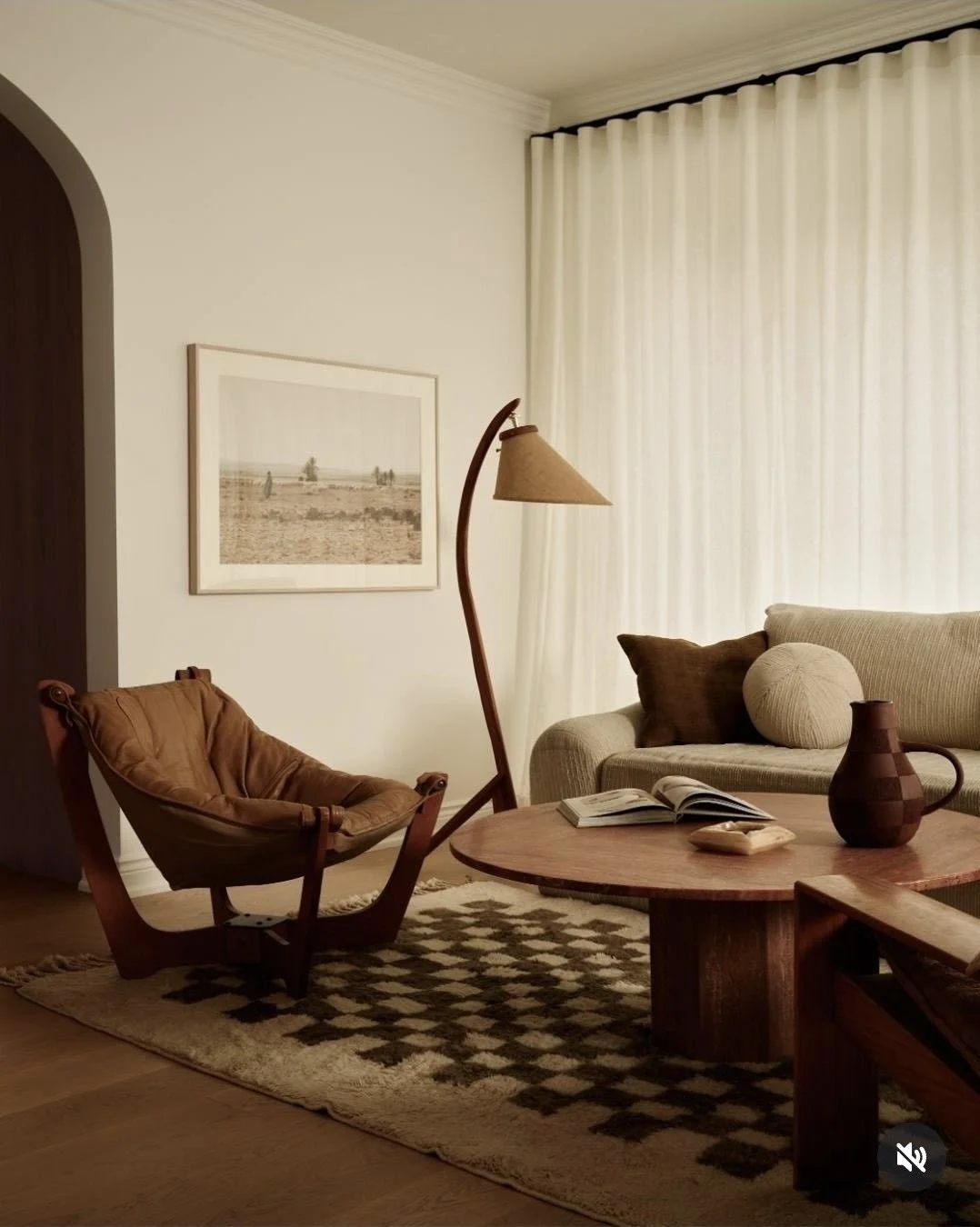
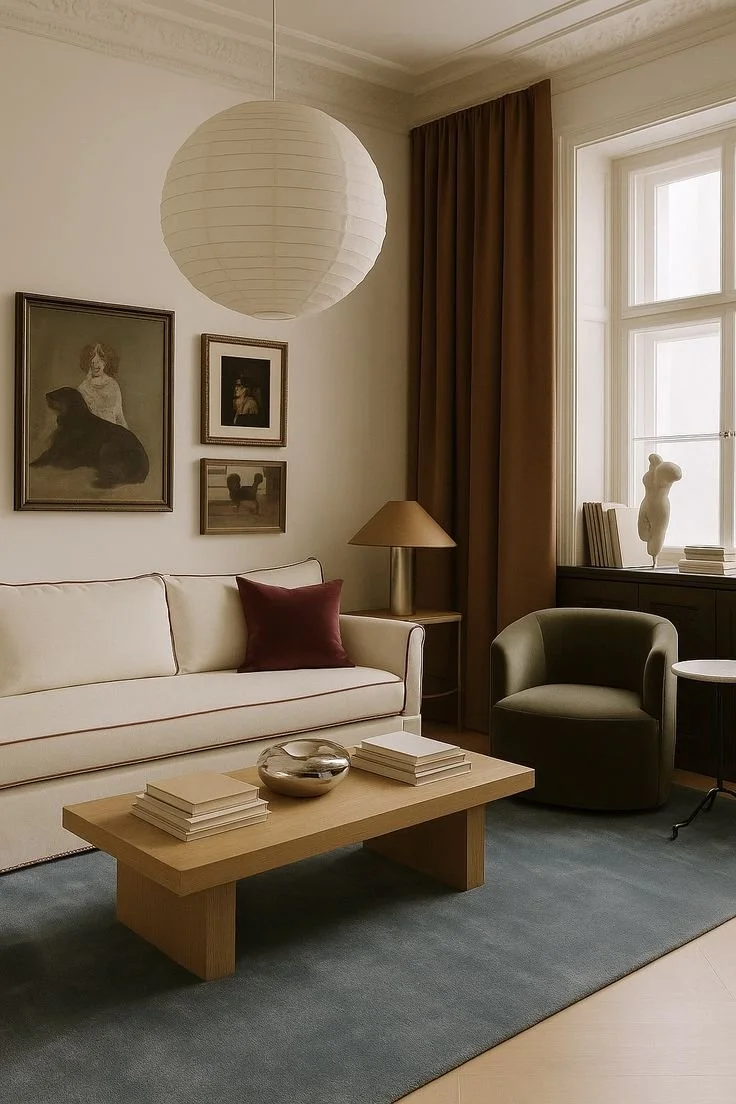
Whites, greiges, and soft taupes continue to anchor interiors, but with more depth and warmth. Alongside them, earth-inspired hues—clay, sand, moss, and softened blues—are being used to create calming, grounded environments.
These colors work beautifully as long-term backdrops, allowing architecture, materials, and personal objects to shine.
7. Biophilic Design 2.0
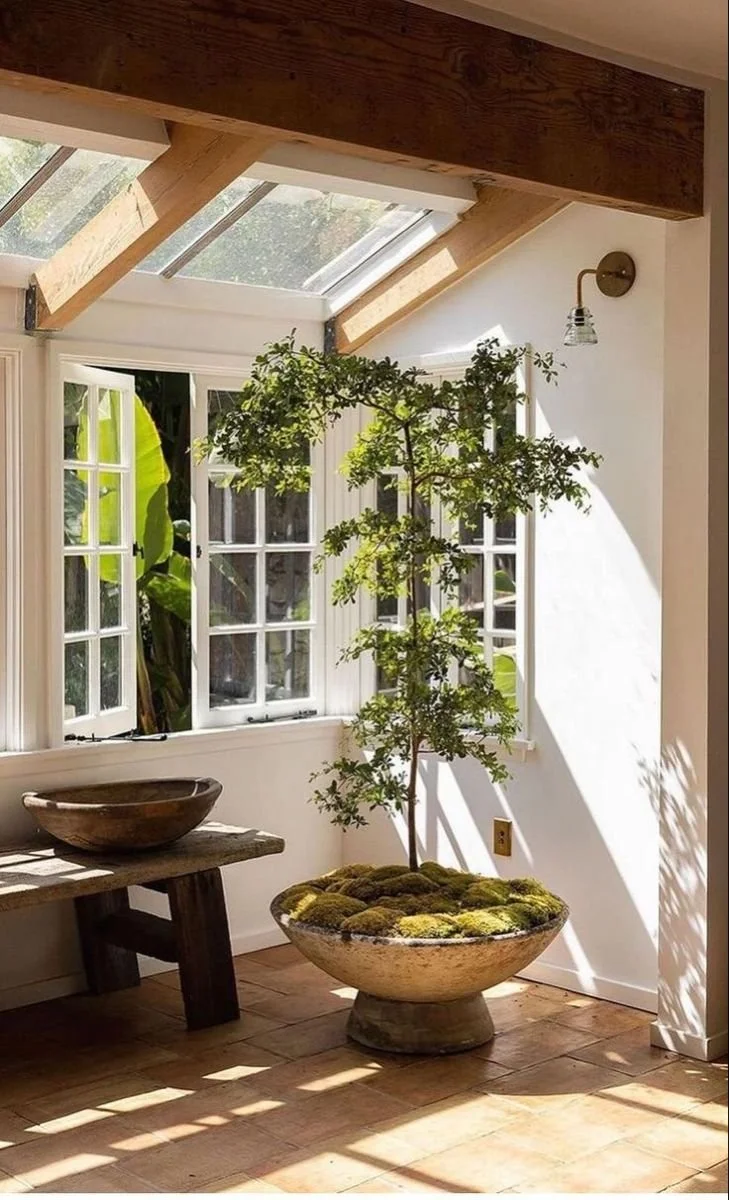
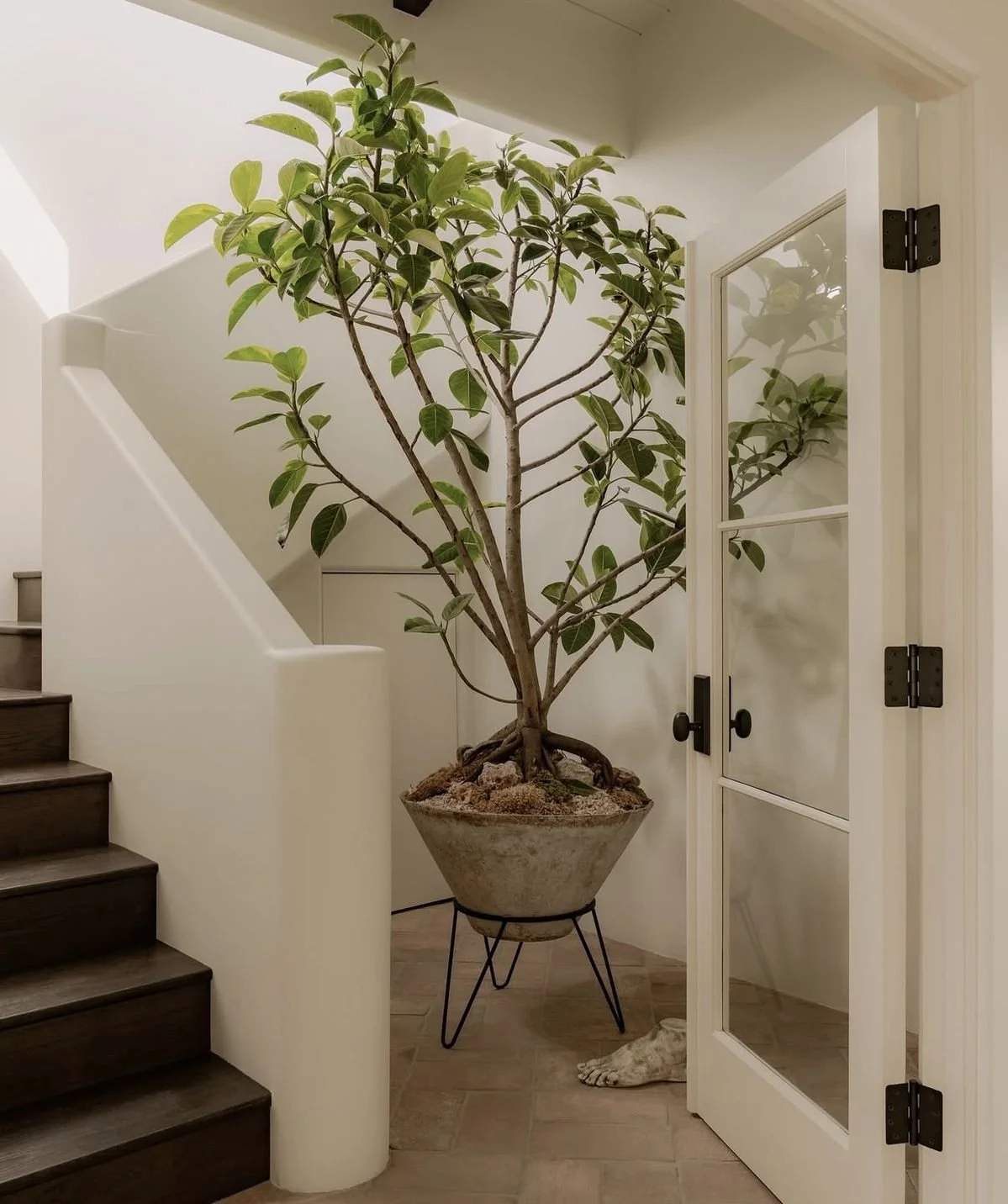
Biophilic design—the practice of connecting indoor spaces with nature—is evolving into a more refined and immersive approach. While indoor plants remain important, Biophilic Design 2.0 expands far beyond greenery alone.
Maximizing natural light, incorporating raw materials like wood and stone, introducing water elements, and even layering in nature-inspired scents and sounds all contribute to a more holistic experience. The benefits are well-documented, from reduced stress and improved air quality to enhanced creativity and overall well-being.
Looking Ahead
While trends can offer inspiration, they should never dictate design. The most successful homes are those that feel authentic to the people living in them—reflecting their habits, values, and personal style.
As we move into 2026, the emphasis on sustainability, craftsmanship, and intentional design feels like a natural evolution—one that prioritizes beauty, function, and meaning in equal measure. And that’s a future we’re excited to design for.