
Bathroom Material Guide: What Actually Holds Up (And What Doesn’t)
Planning a bathroom renovation? Learn which bathroom materials actually hold up—tile, grout, vanities, countertops, and fixtures—plus what to avoid to save money and maintenance long-term.
The Best Bathroom Materials
When planning a bathroom renovation, it’s easy to focus on aesthetics. But the real difference between a bathroom that looks good and one that lasts comes down to material selection.
After 14+ years in design/build, we’ve seen what performs well in real homes—and what fails under moisture, daily use, and time.
This guide breaks down the best bathroom materials, what to avoid, and how to choose the right options for your lifestyle.
Why Material Selection Matters in Bathrooms
Bathrooms are one of the most demanding environments in your home. Constant humidity, water exposure, temperature changes, and daily wear all put materials to the test.
Choosing durable, low-maintenance materials upfront can:
Prevent costly repairs
Reduce long-term maintenance
Keep your space looking better for longer
Best Materials for Bathroom Floors and Walls
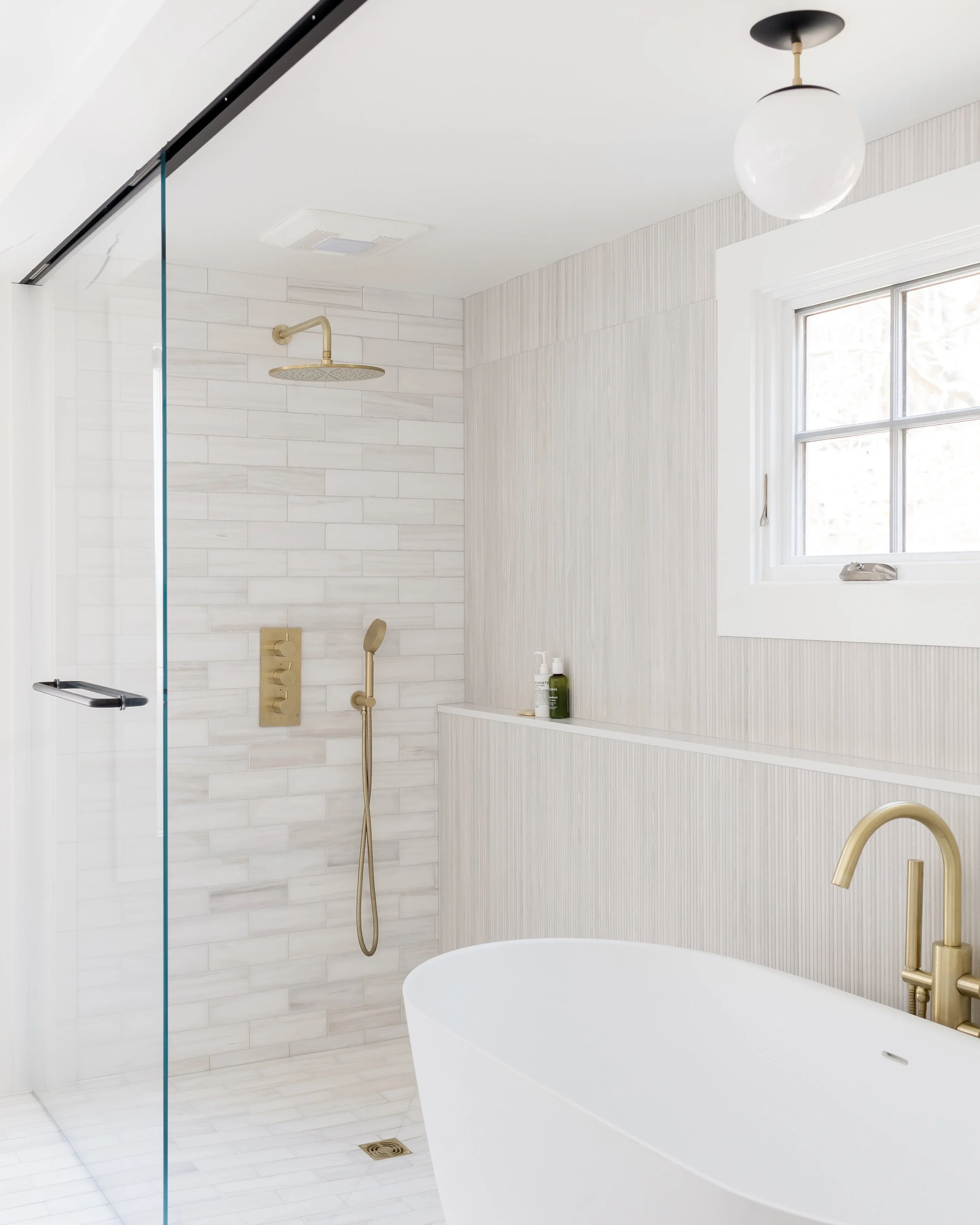
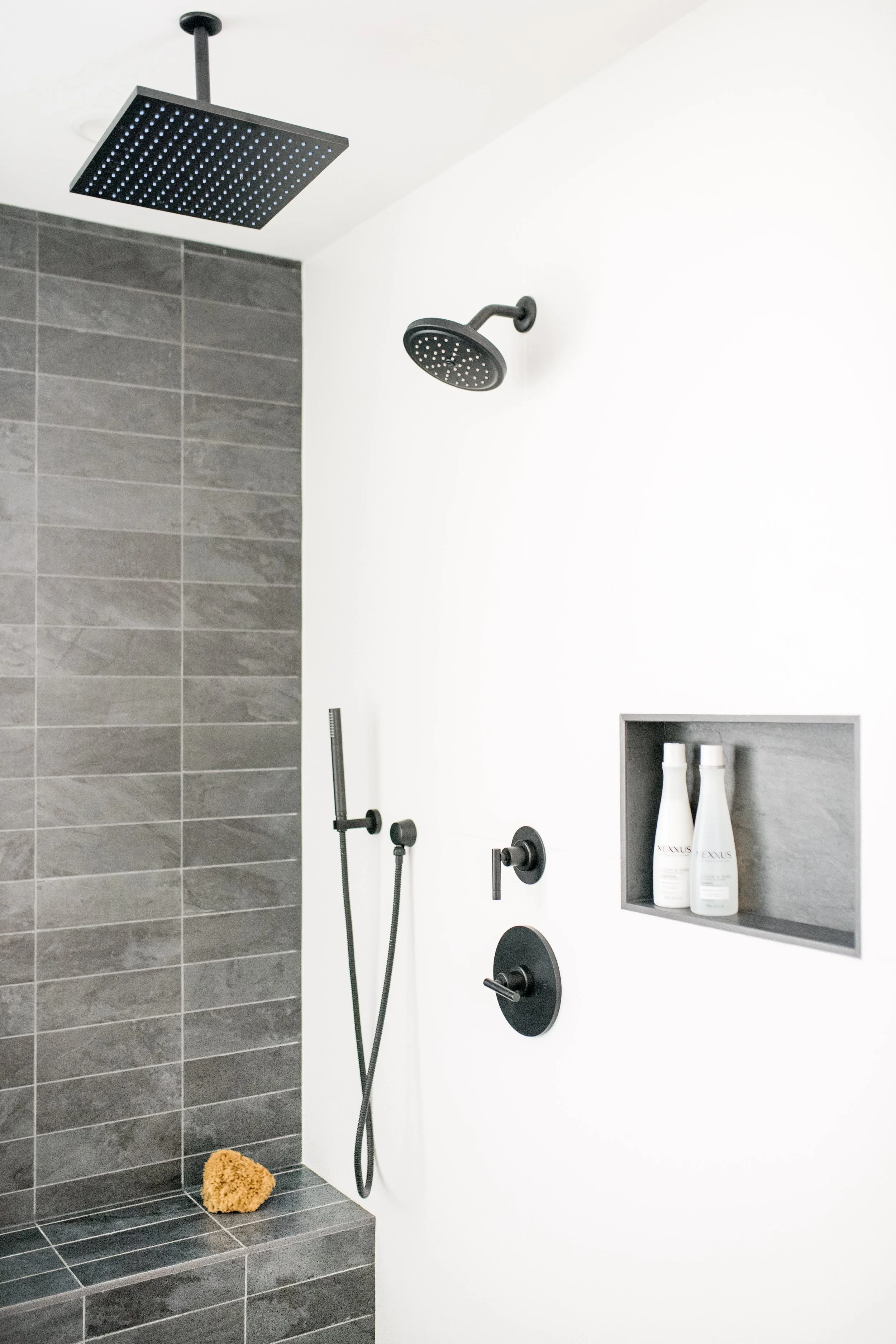
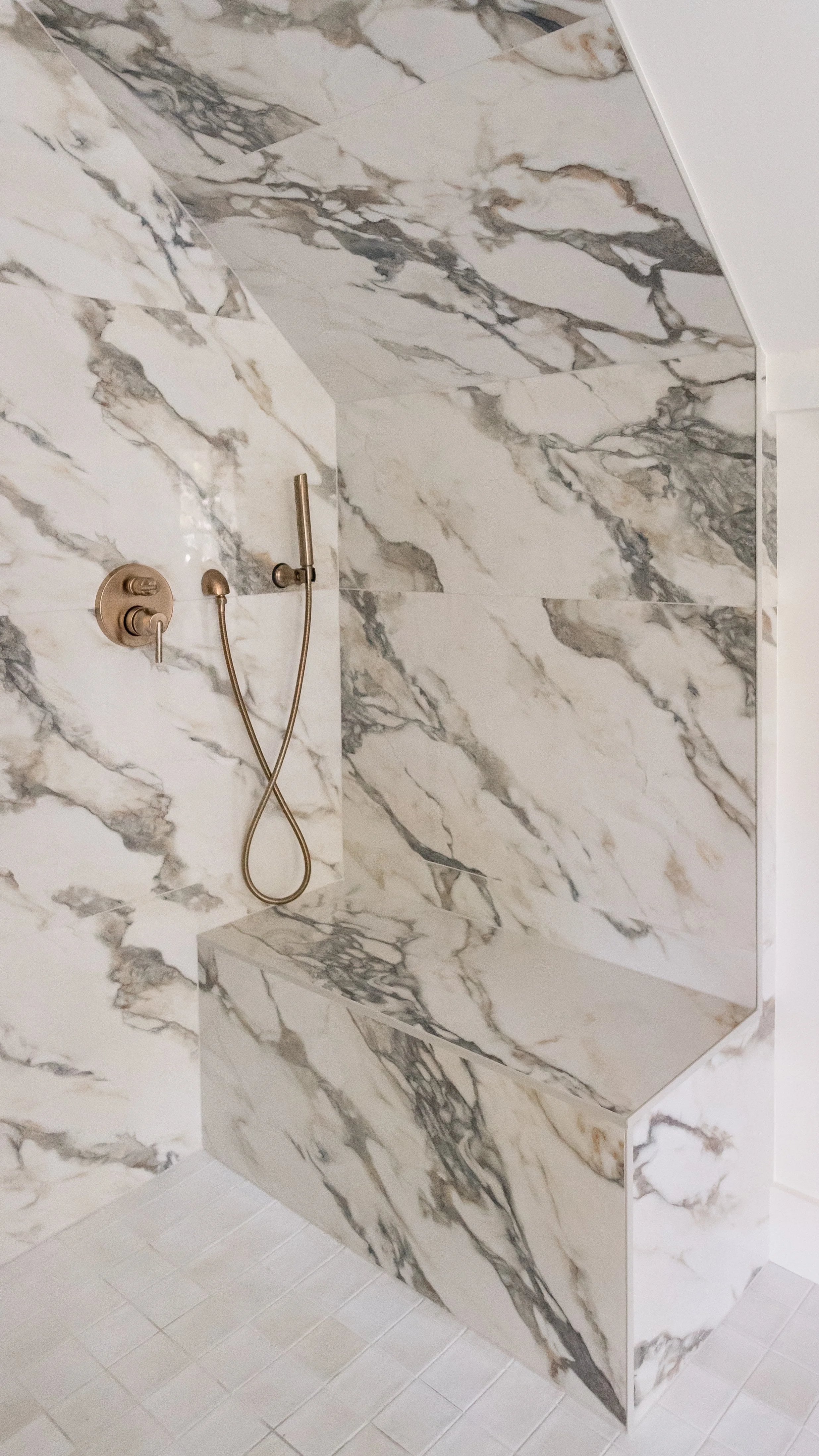
Porcelain Tile (Top Choice)
Porcelain tile is one of the most durable bathroom materials available. It’s dense, water-resistant, and holds up extremely well in both showers and high-traffic floors.
Best for: Shower walls, bathroom floors, wet areas
Ceramic Tile
A more budget-friendly option, ceramic tile works well for walls and lighter-use areas.
Natural Stone
Stone can be beautiful and timeless, but it requires sealing and ongoing maintenance to prevent staining and wear. Be super sure you are okay. long term with patina and age. Materials like marble, travertine, soapstone- are stunning but you really have to be sure you want that worn in look!
Good to know: Marble is especially prone to etching and staining.
The Truth About Grout (It Matters More Than You Think)
Grout plays a huge role in both durability and maintenance.
Best Option: Epoxy Grout
Stain-resistant
Water-resistant
Longer lifespan than traditional grout
What to Avoid
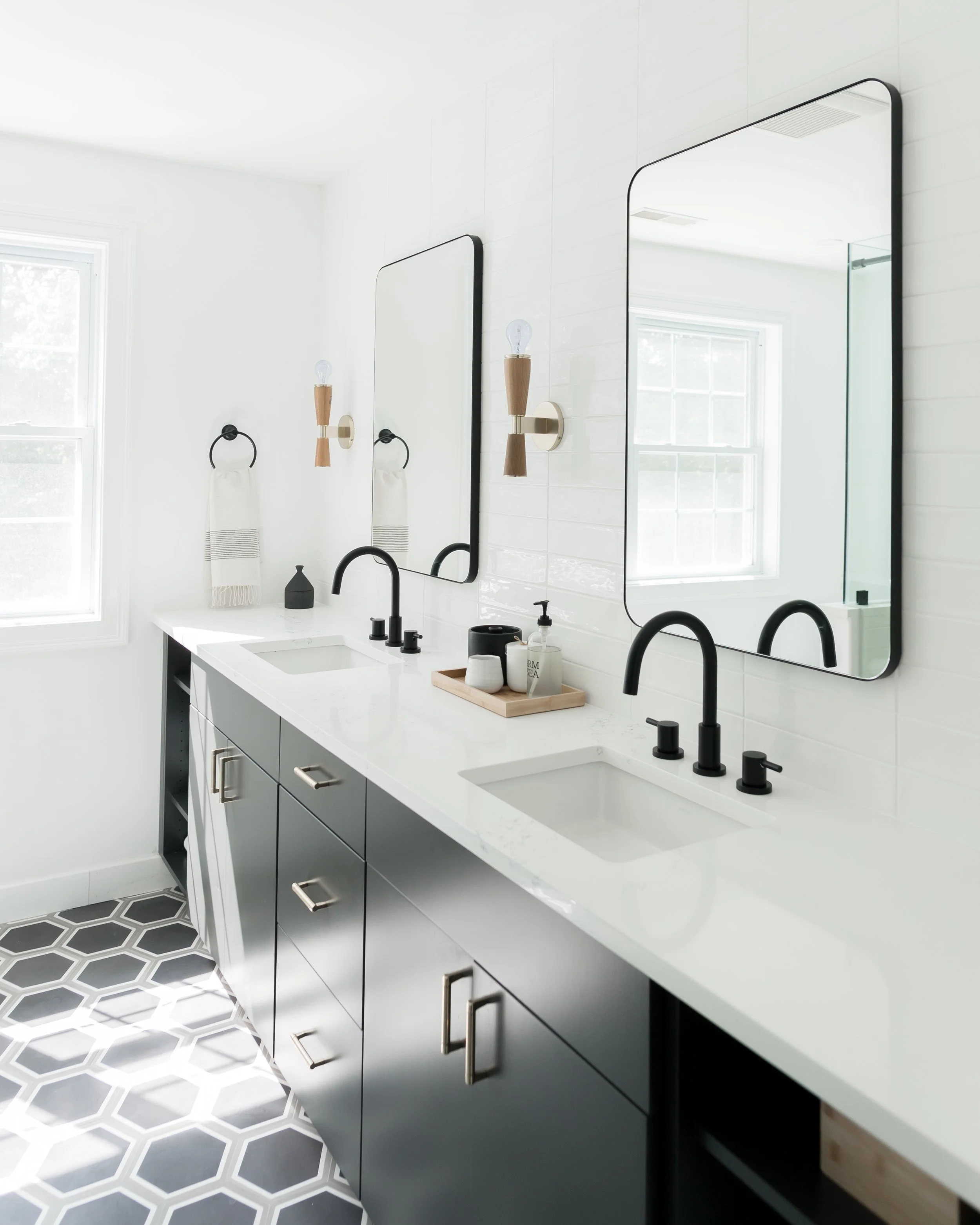
White grout on floors (like most all white things- they dont stay that way!)
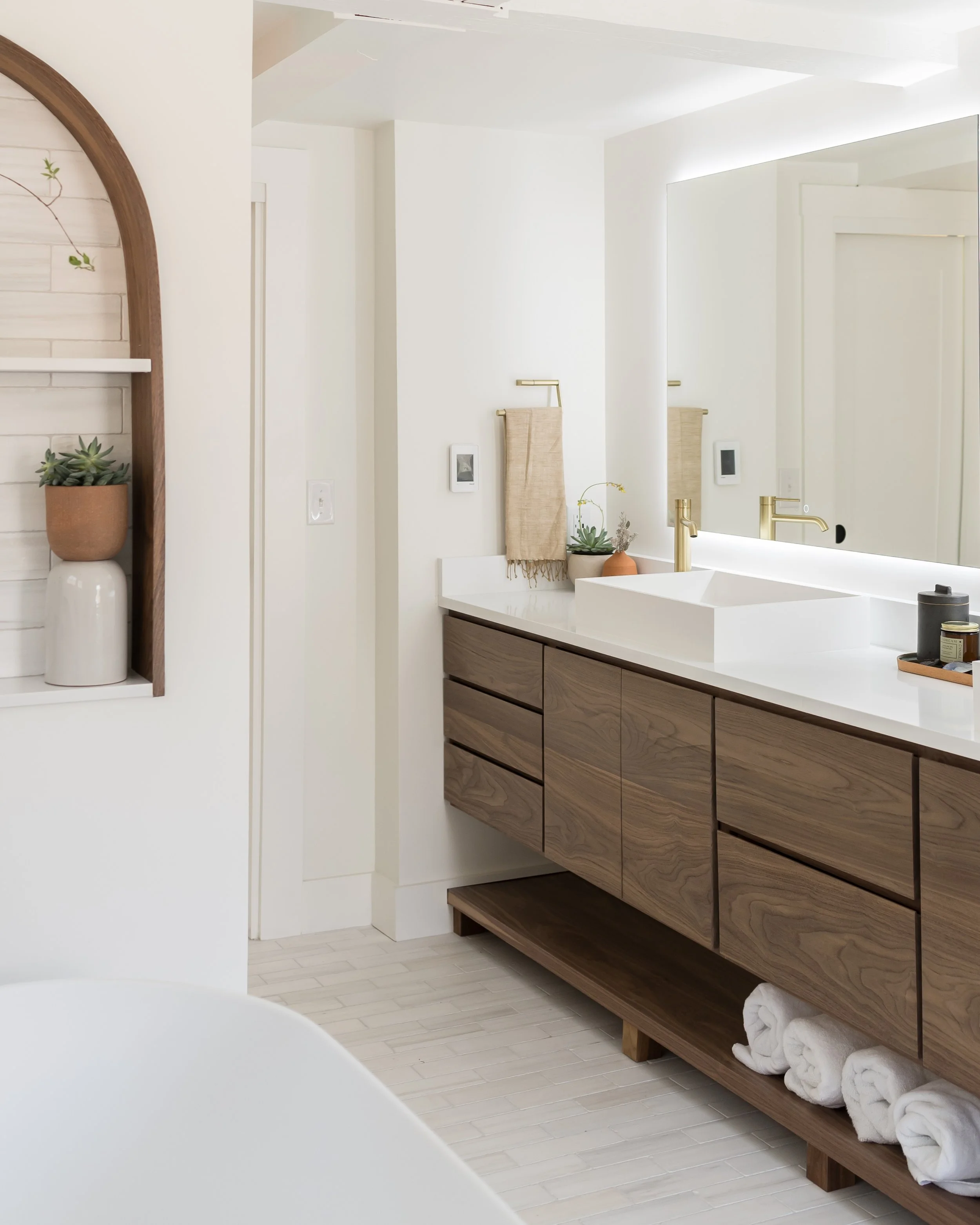

Best Materials for Bathroom Vanities
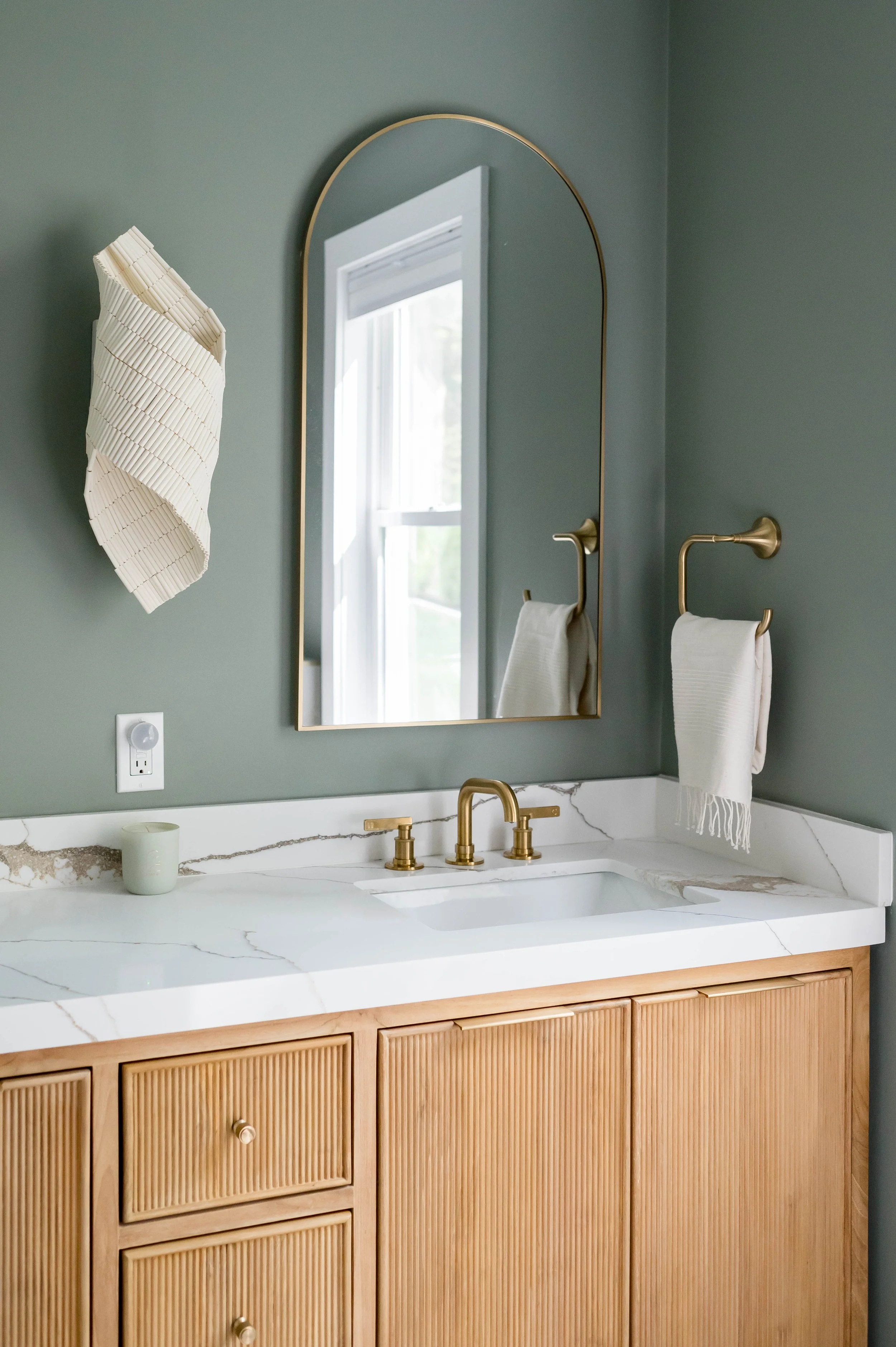
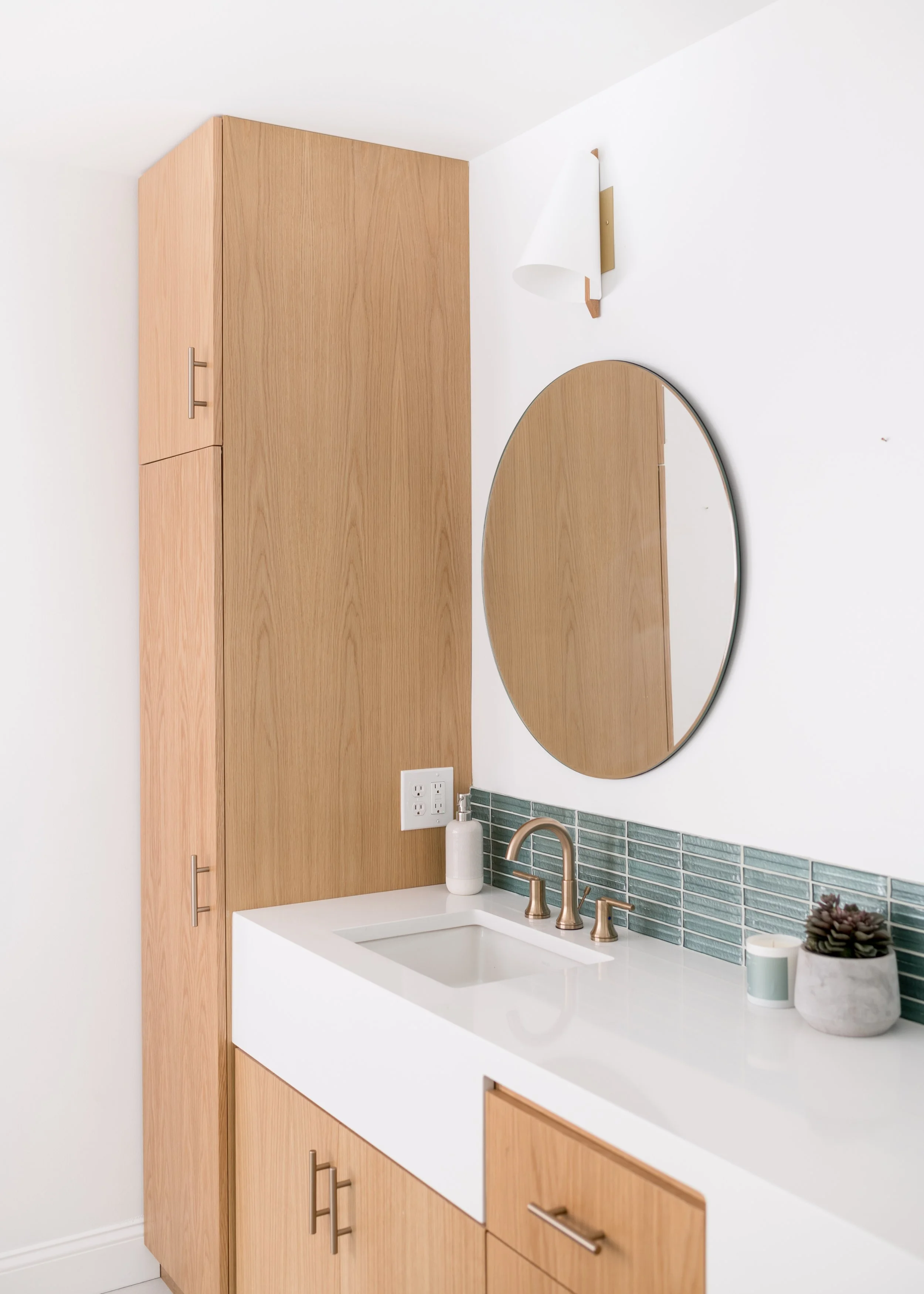
Solid Wood or Plywood Construction
These materials perform best in humid environments and resist warping when properly sealed. Bonus points if you find a teak vanity! That baby will last you forever!
What to Avoid
MDF or particle board in moisture-prone areas. Think- old school ikea that crubles with a drop of water. It’ll be cheap in the moment but you’ll be replacing it within 5 years. Buy once, cry once!
Bathroom Countertop Materials That Last
Quartz (Most Practical)
Non-porous
Low maintenance
Highly durable
Granite
Durable but requires sealing
Marble (High Maintenance)
Beautiful, but will stain and patina over time- just make sure you are good with that!
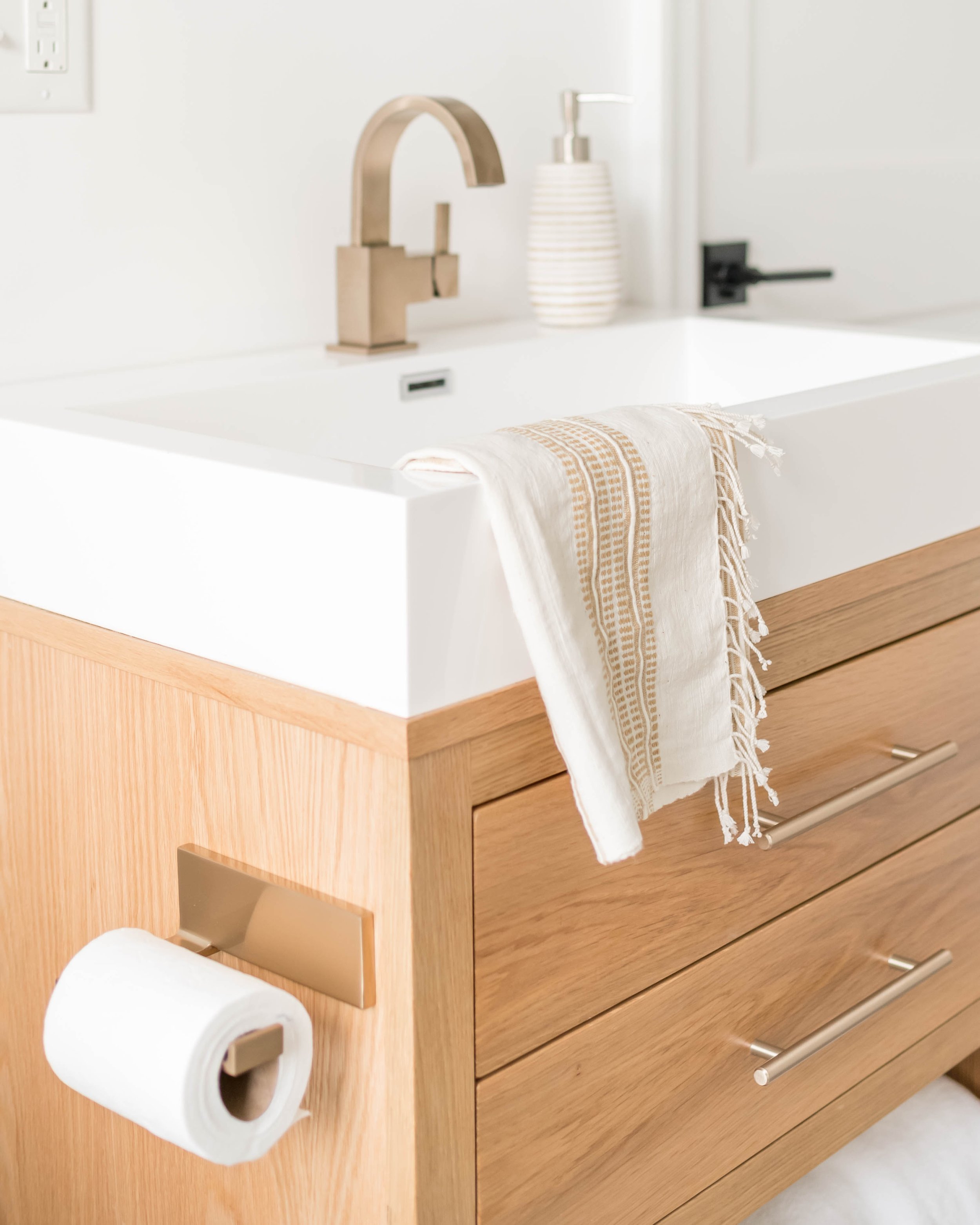
Fixtures and Hardware: Where Quality Counts
Bathroom fixtures are used every day—this is not the place to cut corners.
Best Materials
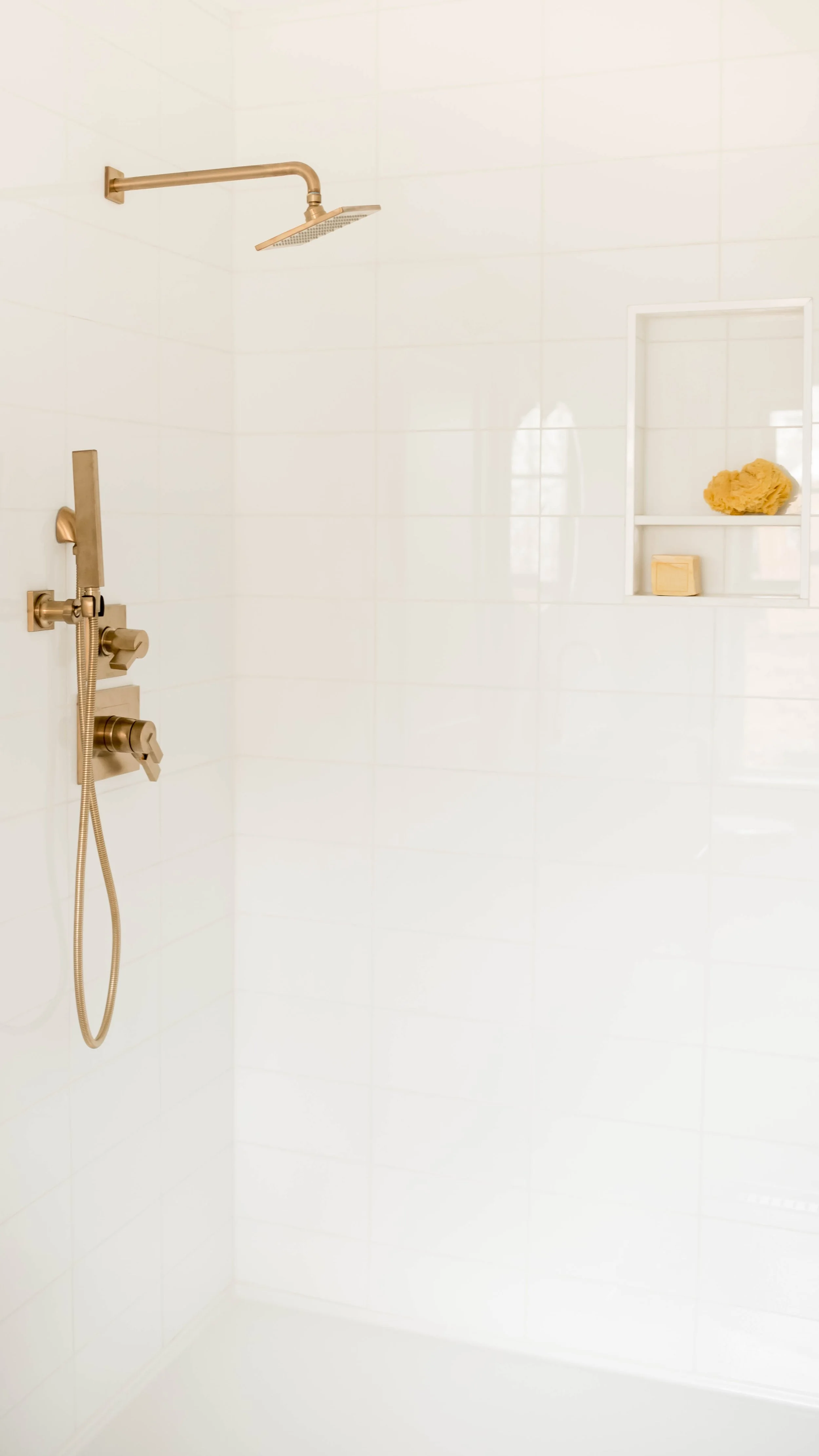
Solid brass construction
Durable finishes like chrome, brushed nickel, or brass. Unlacquered is gorgeous but dont worry when you start seeing tarnish- thats what it is supposed to do!
What to Avoid
Cheap plated finishes that wear quickly
The Most Important Part: Waterproofing
Behind-the-scenes systems are critical to a long-lasting bathroom.
What Works
Professional waterproofing systems (Schluter or similar)
Proper shower slope and drainage
Why It Matters
Waterproofing failures can lead to expensive damage that isn’t visible until it’s too late.
Materials That Look Good (But Require Realistic Expectations)
Some materials can work beautifully—but only if you understand the trade-offs.
Marble: timeless but high maintenance
Zellige tile: unique and textural, but requires skilled install and variation tolerance
Wood flooring: possible, but needs careful detailing and moisture control
How to Choose the Right Bathroom Materials
When selecting materials, consider:
How much maintenance you’re willing to do
How heavily the space will be used
Your budget (upfront vs long-term)
The best material isn’t always the most expensive—it’s the one that fits how you live.
Final Thoughts
The best bathrooms aren’t just designed well—they’re built with materials that perform over time.
A bathroom that looks good on day one is easy. A bathroom that still looks good years later—that’s where material selection makes all the difference.